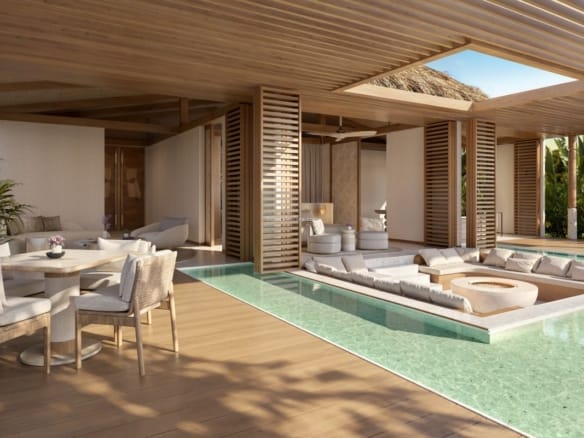
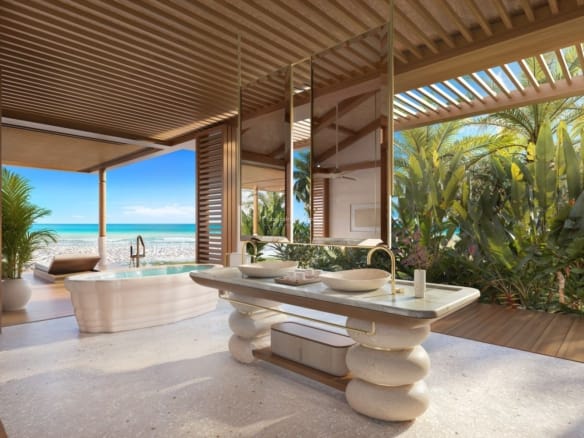
Maldives Real Estate and Resort Investment Guide for Foreign Buyers
Investing in resort property in the Maldives attracts international buyers who want exposure to one of the world’s most recognised luxury tourism markets. However, the structure of property ownership in the Maldives differs from most residential markets. Buyers must understand how resort investment works before making a decision.
This guide explains how foreign buyers purchase property in the Maldives, how ownership is structured, and why most investors enter the market through resort developments instead of standalone villas.
How Resort Investment Works in the Maldives
The Maldives does not operate a normal freehold system for foreign individuals. The government controls the land, and developers build most islands under long-term lease agreements.
Because of this system, foreign buyers usually purchase property only inside approved resort projects. The developer holds the island lease, while the buyer receives ownership rights within the development.
This structure applies to most luxury projects in the country. It also applies to branded developments such as Trump International Hotel & Resort Maldives, where ownership forms part of a master-planned resort environment.
Why Foreign Buyers Invest Through Resorts
Foreign investors rarely buy independent land in the Maldives. Instead, they enter the market through tourism developments approved by the authorities.
Several factors explain this system:
limited land supply
strict development rules
environmental protection laws
tourism-driven economy
government lease structure
Because of these conditions, resort projects provide the main entry point for international buyers. This format allows foreign ownership while keeping the development under national control.
Leasehold vs Freehold in the Maldives
Most resort islands operate under long-term government lease. Buyers do not usually own the land itself. Instead, they obtain ownership rights linked to the resort development.
This structure differs from property markets in Europe, the Middle East, and North America. However, it remains the standard model across the Maldives hospitality sector.
Investors should always review the SPA, reservation agreement, and ownership documents before committing to a purchase. Each project may use a slightly different legal format.
Why Branded Resort Projects Attract Investors
Branded developments attract more international attention than smaller projects. They usually follow a controlled masterplan and operate inside a hospitality framework.
Brand recognition helps marketing and supports global visibility. Buyers often feel more confident when the project links to a recognised name.
In a market with limited new supply, strong branding can improve positioning. For this reason, many investors focus on branded resort projects instead of independent developments.
Why Location Matters in the Maldives
Not all islands offer the same investment profile. Resorts close to Velana International Airport usually attract more interest because access remains simple and reliable.
North Malé Atoll stands out as one of the most important resort corridors in the country. The area combines airport proximity, established infrastructure, and strong international demand.
Developments in this zone often prove easier to operate and easier to resell. Buyers who want both privacy and accessibility often choose this region first.
Lifestyle Buyers vs Investment Buyers
Resort property in the Maldives attracts different types of buyers.
Some buyers want a private residence inside a resort environment. They focus on lifestyle, privacy, and services.
Other buyers focus on long-term positioning. They look at brand strength, location, ownership structure, and market demand.
Many purchases combine both goals, especially in branded developments designed for international clients.
What Investors Should Check Before Buying
Before reserving a unit in a Maldives resort project, buyers should review:
ownership structure
lease terms
SPA conditions
payment schedule
usage rules
operating framework
developer profile
exit options
Resort developments combine real estate and hospitality. Because of this, the legal structure matters as much as the property itself.
Final Thoughts
Resort investment in the Maldives works differently from residential property in most countries. The market follows a controlled system based on government leases, tourism development rules, and approved resort projects.
Foreign buyers usually enter the market through licensed developments rather than private land purchases.
Understanding this structure helps investors evaluate projects correctly and avoid mistakes. When buyers choose the right location, developer, and legal framework, resort property in the Maldives can offer both lifestyle value and long-term positioning.
Maldives Real Estate Investment – Ownership & Legal Structure FAQ