Mauritius Property Owner Guide
Should You Sell or Rent Your Property in Mauritius?
For many owners, the choice is not between a “good” option and a “bad” one. It is between receiving capital now and continuing to hold an asset that may produce income, require management and remain exposed to future market conditions.
The decision becomes clearer when you compare an achievable sale value with realistic net rental income — after vacancy, maintenance, management and other ownership costs — and then place those numbers against what you actually want to do with the property and the capital tied up in it.
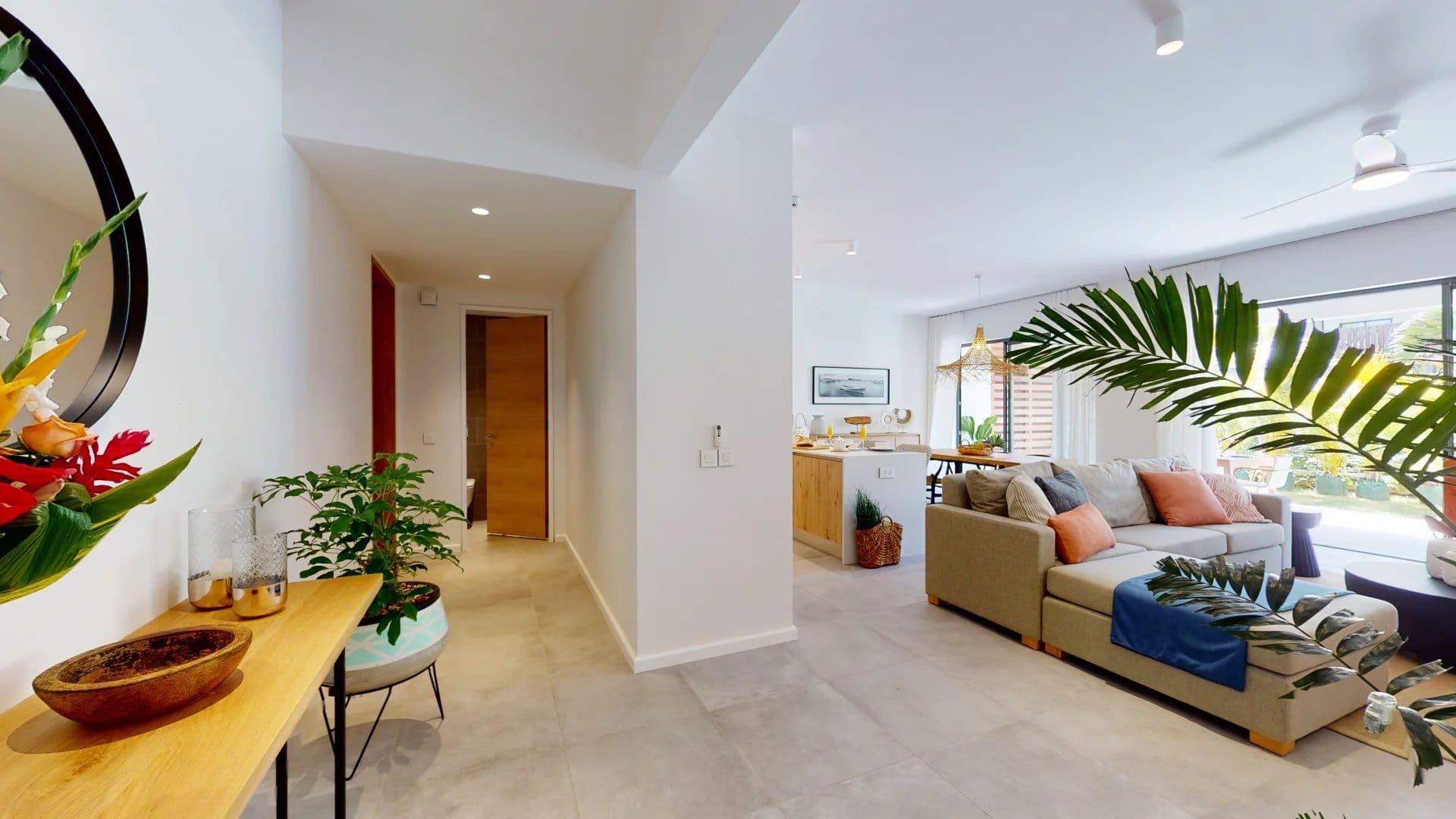
Use a defensible market range, not the highest asking price visible online.
Headline monthly rent is not the same as annual owner income.
Tenant management, repairs and vacancy all carry a practical cost.
Liquidity can matter more than holding an asset for an uncertain future gain.
Start by separating emotion from the decision
Owners often have a strong attachment to a property, especially a family home, inherited property or an asset held for many years. That is understandable, but it can distort both sides of the comparison. Sellers may overestimate what buyers will pay, while prospective landlords may overestimate how much rent they will keep after costs.
A useful decision begins with two realistic numbers: the likely selling range today and the likely net annual rental income under normal occupancy. Once those are established, you can consider whether the return from holding the property justifies the capital, work and risk involved.
When selling may make more sense
You need liquidity or want to redeploy capital.
The sale releases capital that can be used for another property, a business, debt reduction, retirement planning or another investment.
If the property's rental yield is weak relative to its market value, continuing to hold it may tie up significant capital for limited income.
You do not want the responsibilities of being a landlord.
Rental property requires decisions about tenants, maintenance, repairs, renewals, arrears, vacancies and ongoing property condition.
Management can be delegated, but management itself has a cost and the owner still carries the asset risk.
The property has a strong buyer market now.
If current demand supports a defensible sale value and you have no strategic reason to retain the property, crystallising the value may be more useful than waiting for uncertain appreciation.
The property needs substantial future expenditure.
Major maintenance, refurbishment, ageing systems or syndic works can materially reduce the return from holding a property, particularly if rent cannot increase enough to compensate.
When renting may make more sense
The property can produce a meaningful net return.
If realistic rent remains attractive after vacancy, management, maintenance and other costs, continued ownership may provide useful income.
You may want the property again later.
Owners relocating temporarily, working abroad or postponing a family decision may prefer to retain an asset they expect to use again.
You are comfortable holding through market cycles.
A long-term owner may accept short-term fluctuations if the location, property condition and future personal use support continued ownership.
Selling now would solve no immediate problem.
If the owner has no better use for the capital and the property is straightforward to rent, maintaining flexibility can be reasonable.
The crucial number is net rental income
A property advertised at Rs 40,000 per month does not automatically produce Rs 480,000 a year for the owner. Real ownership can include vacancy between tenants, agency or management costs, routine maintenance, insurance, syndic charges for apartments, repairs, furnishing replacement and tax consequences.
The exact cost structure differs by property. A modern unfurnished house with a stable long-term tenant may be relatively straightforward. A furnished apartment with frequent turnover may require much more active management and recurring expenditure.
Vacancy
Allow for periods when the property may have no rent coming in, particularly between tenants or during refurbishment.
Maintenance
Air-conditioning, plumbing, electrical items, appliances, pools, gardens and normal wear can reduce annual owner income.
Management
If you use an agency or property manager, include the actual fee rather than treating the service as cost-free.
Syndic / common costs
Apartment and gated-community ownership may involve recurring charges and occasional larger common-property works.
Tax
Rental income can form part of the owner's taxable income. Tax treatment depends on the owner and payment structure, so current MRA guidance should be checked.
Capital works
Roofing, repainting, waterproofing, major appliances or refurbishment can materially change the economics of holding.
Then compare the return with the property's sale value
Rental income only becomes meaningful when compared with the capital value of the property. If an asset worth Rs 15 million produces a modest net annual income, the owner should ask whether the return is sufficient for the amount of capital being retained in one property.
That does not automatically mean selling. Property can also provide future use, diversification, potential capital growth and a degree of control that other investments may not offer. The purpose of the calculation is simply to reveal the trade-off.
For the sale side of the comparison, start with our Property Valuation Mauritius guide rather than relying on advertised asking prices.
Owner Decision Framework
Six questions usually reveal which option fits better.
If there is a clear higher-priority use for the capital, the opportunity cost of keeping the property matters.
Compare net annual income with current property value, not simply monthly rent with what you originally paid.
Even managed property still requires owner decisions and periodic expenditure.
A sale is permanent. Retaining the property may preserve flexibility where future personal use is genuinely likely.
A property approaching major refurbishment can look very different once future capital expenditure is included.
Some locations have deep tenant demand but weak resale liquidity; others attract buyers more readily than long-term tenants.
Do not assume waiting automatically means a higher selling price
Owners sometimes rent because they believe selling later will certainly produce a better price. Future appreciation is possible, but it is not guaranteed. Supply can change, competing developments can enter the market, the property itself ages and buyer preferences evolve.
If renting is only a way of postponing a sale, it is worth being clear about what would make you sell later. A target date, personal milestone or investment objective is more useful than simply waiting for “the market to go up”.
Rental decisions are also tenant-market decisions
A property can be attractive for sale but awkward to rent, or the reverse. Location, furnishings, parking, security, school access, employment centres, transport and property condition all influence tenant demand. Owners should therefore assess achievable rent and likely occupancy with the same discipline used for a sale appraisal.
Long-term rental also creates a contractual relationship. Mauritius has a Landlord and Tenant Act, and the legal position can depend on the premises and circumstances. Owners should use a proper lease and obtain legal advice where the agreement or property raises specific issues.
What if the property is already struggling to sell?
Changing a property from sale to rent can be sensible, but it should not simply be an escape from a failed sales strategy. First identify why the property did not sell. If the issue was unrealistic pricing, poor presentation or fragmented representation, those same weaknesses may also affect the rental campaign.
Our guide on why properties do not sell in Mauritius explains how to distinguish a pricing problem from a presentation, buyer-targeting or agency problem.
What if the property is currently rented and you want to sell?
The existing lease becomes part of the sale decision. Some investors may value a stable tenant and existing income, while an owner-occupier may prefer vacant possession. Before marketing, the seller should understand the lease terms, notice requirements and the practical timing of any intended sale.
The listing should state the occupancy position accurately rather than creating uncertainty later. For a commercial investment this is central to valuation; for residential property it can determine which buyers are realistic.
Your decision may be different for each property type
Consider family use, garden and pool maintenance, tenant profile, furnishing and the opportunity cost of the land value.
Compare achievable rent with syndic charges, common-property costs, parking, condition and competing rental supply.
The rental pool may be narrower, management more demanding and the capital value significantly higher relative to annual rent.
Lease quality, tenant covenant and income can make continued holding attractive, but vacancy can also be expensive.
There is no universal answer — but there should be a reason
“Property always goes up” is not enough reason to hold, and “cash out now” is not enough reason to sell. The better choice is the one that fits the property's real economics and the owner's actual objectives.
If selling is the direction you choose, our main Sell Property in Mauritius page explains how Tropical Riviera approaches appraisal, representation, marketing, buyer qualification and negotiation.
Related Owner Guides
Continue the decision with the right next step.
Official References
Rental income and landlord framework
Mauritius Revenue Authority guidance states that individuals deriving income from rents may have income-tax return obligations, depending on their circumstances. MRA also publishes Tax Deduction at Source rules that can apply to rent payments in specified payer/payee situations. The exact tax treatment should therefore be checked rather than assuming the headline rent is the owner's final return.
The Landlord and Tenant Act forms part of the legal framework governing landlord and tenant matters in Mauritius. The legal effect of a particular lease depends on the premises, agreement and circumstances, so owners should use appropriate professional advice where needed.
Mauritius Revenue Authority — Obligation to File a Return
Mauritius Revenue Authority — Tax Deduction at Source FAQs
Government of Mauritius — Landlord and Tenant Act
This guide is general property-owner information and not tax, financial or legal advice. The figures and tax position for a specific owner should be reviewed with the appropriate professional adviser.
Sell or Rent Mauritius FAQ
Questions owners commonly ask when deciding.
Is it better to sell or rent my property in Mauritius?
There is no universal answer. Compare the achievable sale value with realistic net rental income, then consider your need for liquidity, future use of the property, maintenance costs, management burden and willingness to remain exposed to the property market.
How do I compare rental income with selling?
Use net annual rental income after realistic allowances for vacancy, management, maintenance, syndic or common charges, repairs and applicable tax considerations. Compare that result with the property's current market value and your alternative use for the capital.
Should I rent my property while waiting for prices to rise?
Only if the rental economics and your ownership objectives make sense independently. Future price appreciation is uncertain, so renting should not be based solely on an assumption that selling later will automatically produce a higher price.
Does rental income have tax implications in Mauritius?
Yes. Mauritius Revenue Authority guidance includes rents within income-tax reporting and publishes TDS rules for specified rent-payment situations. The precise treatment depends on the owner and transaction, so current MRA guidance or professional tax advice should be used.
Can I sell a property that already has a tenant?
Potentially, but the lease and occupancy position need to be reviewed. A tenanted property may appeal to an investor, while a buyer seeking occupation may have different requirements. The agreement and legal position should be checked before marketing.
Should I get a valuation before deciding whether to rent or sell?
Yes. Without a realistic current sale range, the comparison is incomplete. A seller market appraisal can help establish what the property may achieve today, while a rental appraisal provides the other side of the decision.
Compare both options before committing to either.
Tell us the property type, location and whether it is currently occupied. We can discuss its likely sales position and rental potential so you have a clearer basis for deciding what to do next.
WhatsApp — Discuss My Options