Mauritius Seller Guide
Selling Land in Mauritius: Residential and Agricultural Property
Land is not sold in the same way as a house. Buyers are assessing access, shape, frontage, classification, surroundings, services and what the site can realistically be used for. The clearer those points are before launch, the easier it is to attract the right enquiry.
Residential and agricultural land also need different selling arguments. A residential plot may be judged on its suitability for building and daily access. Agricultural land must be marketed according to its current legal status, without presenting unapproved conversion or development possibilities as though they already exist.
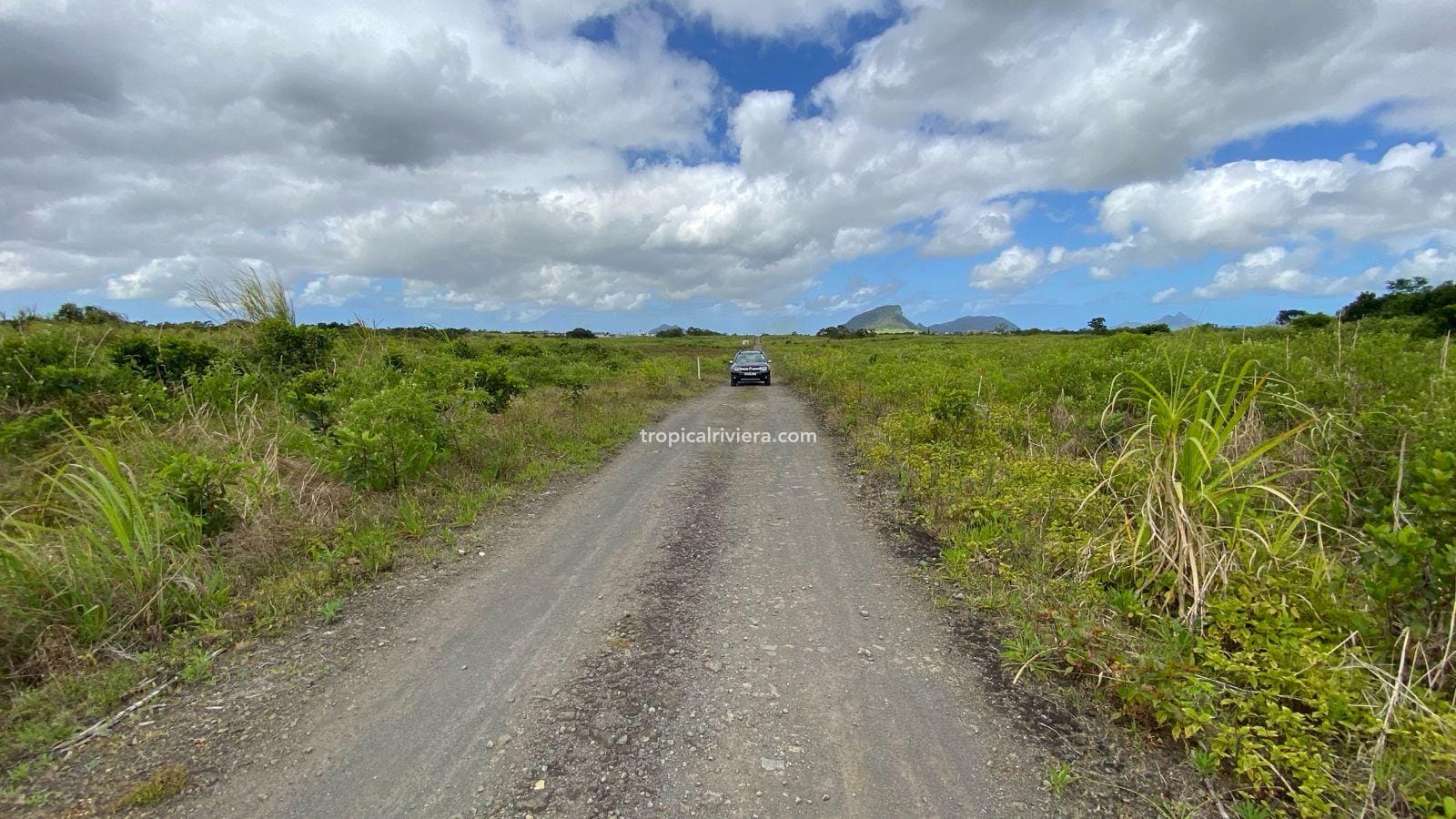
Buyers will look closely at access, frontage, shape, topography, nearby services, surrounding homes and how straightforward the plot appears for a future residential project.
Classification, lawful use, access, surrounding activity and genuine buyer demand matter. Any future conversion should be described only where the relevant approval or evidence actually exists.
Start with the legal and physical facts
Land buyers ask practical questions early. What is the exact area? How is the property accessed? What does the survey show? Is the site regular or irregular? Are services nearby? What is the current classification and lawful use? A seller who can answer those questions clearly gives a buyer more confidence than one who relies mainly on a location name and a headline area.
This is also why land marketing should be careful with words such as “development opportunity”, “future residential”, “ideal for morcellement” or “conversion potential”. Those descriptions can materially affect buyer expectations. If the relevant approval does not exist, the marketing should say so rather than price an uncertain possibility as a present right.
The Ministry of Agro-Industry and Food Security states that conversion of agricultural land to non-agricultural use is governed by the applicable legal framework and requires an application by the landowner. Until approval exists, agricultural land should be marketed according to its current status.
What determines the marketability of a plot?
Location
Not just the village or district, but the exact road, surrounding development, nearby amenities, traffic, neighbouring uses and the way the area is changing.
Access
Buyers need to understand how the land is reached, the nature and width of the access and whether any right of way or other access issue needs to be clarified.
Shape & frontage
A regular plot with practical frontage can be easier to use than a larger parcel whose geometry restricts building layout or access.
Topography
Slope, drainage, level changes and physical features can affect construction cost, usability and the type of buyer who will consider the site.
Utilities
Proximity to road infrastructure, electricity and water can influence both buyer confidence and the cost of turning a plot into a usable site.
Classification & use
The present legal status should be stated accurately. Marketing should distinguish current rights from possible future approvals.
Residential land: buyers are evaluating a future home
A residential plot is often compared by buyers who intend to build rather than by professional land investors. They are therefore thinking about daily life as well as price. Road access, neighbourhood quality, shape, services, slope, distance to schools or employment and the ease of constructing a practical home can all affect demand.
Area alone does not establish value. Two plots of similar size in the same locality may perform very differently if one has straightforward access and a regular building envelope while the other has physical constraints. The appraisal should therefore compare usable alternatives, not simply calculate an average asking price per square metre.
Agricultural land: be precise about what is being sold
Agricultural land often attracts a wider range of enquiry quality. Some buyers understand the current classification and are interested in agricultural use, long-term ownership or the characteristics of the parcel itself. Others may be approaching it mainly because they hope the land can later be converted or developed.
The seller's strongest position is clarity. If the land is agricultural, describe it as agricultural. If a conversion permit or other formal approval exists, disclose the exact nature of that approval. If no approval exists, do not market speculation as certainty. This protects the quality of enquiries and reduces the risk of a buyer negotiating on assumptions that cannot be supported.
Pricing land: asking prices are only the starting point
Land is particularly vulnerable to unrealistic price comparisons because sellers often benchmark against other advertised plots without knowing whether those properties have sold, how long they have been on the market or whether their access and legal characteristics are comparable.
For sale strategy, we look at location, classification, area, access, physical usability, surrounding development and the buyer pool at the proposed price. Our Property Valuation Mauritius guide explains why market appraisal should look beyond online asking figures.
Prepare the seller file before serious enquiries arrive
A complete file does not mean every possible document has to be produced before the first advertisement. It means the seller should have enough information ready to answer the obvious due-diligence questions and identify any issue that should be resolved before a buyer commits.
Confirms ownership information and gives the notary a starting point for the legal file.
Helps the buyer understand the exact area, shape, boundaries and dimensions of the property.
Road frontage, access route and any right-of-way issue should be made clear as early as possible.
Provide any relevant official document affecting current use, conversion or development where it genuinely exists.
KYC and ownership information will form part of the transaction and agency compliance process.
Any material issue affecting access, boundaries, servitudes or the practical use of the land should be raised rather than discovered late.
Photographs alone are not enough to market land well
A buyer cannot always understand an empty parcel from ground-level photographs. Good land marketing should explain the site: access, shape, frontage, neighbouring development, orientation, road connection and the reason the location may suit the intended buyer.
For larger plots, aerial context can be useful where available and lawful, but it should support rather than replace factual information. The listing should never create a development impression that the current property rights do not support.
Who is the likely buyer?
Residential land may attract owner-occupiers building a home, small investors or developers depending on the location and size. Agricultural land can attract farmers, neighbouring owners, long-term land buyers or investors whose requirements are very different from a residential purchaser. Large parcels may require a more targeted approach than simply publishing to a general property portal.
Buyer eligibility matters as well. Ordinary local land should not be presented as generally available to foreign buyers. Where a seller is dealing with a property or structure that may be available to a non-citizen, the applicable ownership route should be checked separately. Our foreign ownership guide for Mauritius covers that subject.
When land does not sell, review the fundamentals
Long time on market often points back to the same issues: price, unclear access, weak presentation, incomplete information, speculative development claims or the wrong buyer audience. Reposting the same land with a new headline rarely changes those fundamentals.
If the plot has already been marketed without serious progress, see our guide on why properties do not sell in Mauritius. If you are choosing representation, our guide to choosing a real estate agent explains what to ask before appointing an agency.
A good land sale is built on clarity
The strongest land listing does not need exaggerated development promises. It needs a defensible price, accurate property facts, clear access, useful documentation and a buyer strategy that reflects the site's actual status and strengths.
If you are preparing to sell residential or agricultural land, our main Sell Property in Mauritius page explains how Tropical Riviera approaches seller representation from appraisal and market positioning through negotiation and transaction coordination.
Seller Resources
Related guides for landowners.
Official Reference
Agricultural land conversion
The Ministry of Agro-Industry and Food Security's Land Conversion Unit explains that conversion of agricultural land to non-agricultural use is governed by the applicable legal framework and requires an application by the owner. Sellers should rely on the property's present legal status and any actual approvals rather than speculative future use.
Government of Mauritius — Land Conversion Unit
Real Estate Agent Authority of Mauritius
This guide is general seller information and not legal, planning or land-conversion advice. A notary and the relevant public authorities should be consulted where a transaction raises title, access, classification or conversion questions.
Selling Land Mauritius FAQ
Questions landowners commonly ask before listing.
How do I sell land in Mauritius?
Start by confirming the land's ownership, area, access, survey information and current classification. Then establish a realistic asking range, prepare clear marketing material and target the buyer most likely to use or invest in that particular type of land.
How is land valued in Mauritius?
Location, area, frontage, access, shape, topography, classification, nearby services, surrounding development and buyer demand all matter. Asking prices for other land are useful context but should not be treated as proof of market value.
Can I advertise agricultural land as future residential land?
You should not present unapproved future use as though it already exists. The Ministry confirms that agricultural land conversion is a formal process. Where a permit or approval exists, the exact document and scope can be disclosed; otherwise the land should be marketed according to its current status.
What documents are useful when selling land?
The precise file depends on the property, but useful starting documents include the title deed, survey or site plan, seller identification and information relating to access, classification or any relevant approvals. The notary may request additional documents during due diligence.
Should I clear agricultural or residential land before selling?
Reasonable clearing can make access, boundaries and the site's physical characteristics easier for buyers to understand. The extent of any work should suit the property and respect any environmental, agricultural or other applicable requirements.
Can foreigners buy ordinary land in Mauritius?
Foreign ownership of ordinary Mauritius land is restricted and depends on the applicable legal route and approvals. Sellers should not market ordinary local land as freely available to non-citizens without first confirming eligibility.
Send us the location, area and current classification.
Tell us whether the land is residential or agricultural, where it is located, its approximate area and whether you already have a recent survey or site plan. We can then discuss market position and the next practical steps.
WhatsApp — Discuss My Land