Best Areas to Buy Property in BaliBali has developed into one of Southeast Asia’s most visible real estate markets for international investors. The island’s global tourism reputation, expanding expatriate population and growing digital economy…
Invest in Bali Real Estate
Lifestyle-Driven Opportunities & Long-Term Demand for International Buyers
How to invest in Bali real estate as a foreign buyer — leasehold structure, buying process, costs & villa yield
Invest in Bali real estate: how foreign buyers hold property in Indonesia, what it costs, how the leasehold works, and what to verify before committing.
Foreign nationals cannot hold freehold (Hak Milik) title in Indonesia. The two legal routes used by international buyers are leasehold (Hak Sewa) — typically structured as 25+25 or 30+30 year renewable terms — and ownership through a PT PMA (foreign-owned Indonesian company), which holds the land under Hak Guna Bangunan (right to build).
Understanding which structure fits your objectives, timeline, and tax situation is essential before evaluating any specific project. Before reviewing developments, read the Bali ownership framework first.
At a glance — Bali for foreign buyers
- Entry from ~USD 150K — leasehold villa opportunities in established lifestyle districts
- ~5% BPHTB acquisition tax — buyer-paid on transaction value; total costs ~7–10%
- 8–12% gross yield potential — well-managed short-term rental villas; net after management ~6–8%
- Leasehold — 25+25 or 30+30 years — renewable terms; renewal terms must be in the original agreement
- Zoning compliance critical — confirm land status, IMB/PBG building permit before committing
- No land freehold for foreigners — PT PMA or leasehold are the two compliant routes
USD 150K
Entry — leasehold villa
in established districts
in established districts
5%
BPHTB acquisition tax —
total ~7–10% inc. notary
total ~7–10% inc. notary
8–12%
Gross yield potential —
short-term managed rentals
short-term managed rentals
25–30yr
Typical initial lease term —
with renewal clause
with renewal clause
How to buy — step by step
Six steps from district selection to signed lease and rental licence in Bali
Bali's buying process is more legally complex than UAE or Mauritius markets. Ownership structure, land certificate status, zoning, and building permits must all be independently verified before any funds change hands. A competent Indonesian notary (PPAT) is not optional — it is the foundation of a compliant transaction.
01
Define structure & objective
Decide between leasehold (simpler, suitable for most individual buyers) and PT PMA (more control, higher setup cost, suitable for larger or longer-horizon investments). Define the primary driver — rental yield, lifestyle use, hybrid. This determines which districts, product types, and lease durations to target and which ownership structure is appropriate for your tax residency and timeline.
02
Select district & property
Districts matter more in Bali than in most markets. Canggu and Berawa for lifestyle rental depth; Pererenan for design-led demand; Uluwatu for cliffside and surf-focused positioning; Ubud for wellness and long-stay; Nuanu and emerging corridors for earlier-cycle exposure. Within each district, confirm access routes, traffic, proximity to noise sources, neighbouring construction, and the realistic guest or renter profile for that specific street.
03
Legal due diligence
Before signing anything: engage an independent Indonesian notary (PPAT) to verify the land certificate (SHM or SHGB) at the National Land Agency (BPN); confirm the zoning certificate — pink zone (residential/commercial) allows construction, green zone does not; verify the building permit (IMB or PBG under the current system); and check for any encumbrances, liens, or disputes on the land. This step is non-negotiable. Zoning and permit non-compliance are the most common sources of legal risk in Bali property transactions.
04
Draft & sign lease or SPA
For leasehold: the lease agreement is drawn up by the PPAT notary in Bahasa Indonesia (with a certified English translation). The lease must clearly state the initial term, renewal mechanism, renewal price formula, and the buyer's rights in the event of landowner death or land sale. Renewal terms agreed in the original document are far stronger than verbal commitments. For PT PMA route: company establishment precedes property acquisition — this adds 4–8 weeks and professional fees to the timeline.
05
Pay taxes & register
Buyer pays BPHTB (land and building acquisition duty) at 5% of the higher of government assessed value (NJOP) or transaction price. Seller pays PPh (income tax on transfer) at 2.5% of transaction value. Notary fees are typically 0.5–1% of transaction value. The lease or transfer is registered through the PPAT notary and recorded at BPN. Annual land and building tax (PBB) applies but is very low — typically a fraction of a percent of NJOP.
06
Rental licensing & management
To legally operate a short-term rental villa in Bali, the property requires a Business Identification Number (NIB) and a tourism business licence (TDUP or equivalent). Management selection is as important as location — villa management fees in Bali typically run 20–30% of gross rental revenue, plus maintenance reserves. Verify the management operator's occupancy rate on comparable managed villas before committing to yield projections. The gap between gross and net yield in Bali is wider than in most UAE markets.
Costs, structure & yield — at a glance
What buying in Bali actually costs, and what the leasehold gives you
Acquisition cost
~7–10%
5% BPHTB (buyer) + 2.5% PPh (seller) + notary fees (~0.5–1%) + legal review. No buyer-paid agency fee on our projects. Annual PBB land tax is negligible. Full breakdown on the Bali understanding page.
Ownership structure
Leasehold
25+25 or 30+30 year leasehold is the standard route for individual foreign buyers. PT PMA gives more structural control. No freehold for foreigners. Renewal terms, landowner succession rights, and lease assignment must be explicitly addressed in the original agreement. Full structure detail on the Bali understanding page.
Net rental yield
6–8% net
Well-managed short-term rental villas in strong districts target gross yields of 8–12%. Net after management (20–30% of gross), maintenance reserves, and utilities runs 6–8%. Verify against actual occupancy data from comparable operating villas — not projected figures from developers or agents.
Tropical Riviera Realty · NAR REALTOR® · CIPS
Independent Bali advisory — from district selection and due diligence to signed lease and rental licensing
Tropical Riviera Realty advises international buyers through district selection, ownership structure guidance, legal due diligence coordination, notary introduction, and management operator assessment. We work selectively across developments we have independently reviewed — not tied to any single developer's launch pipeline.
Our advisors hold NAR REALTOR® membership and the Certified International Property Specialist (CIPS) designation. Bilingual in English and French. Remote advisory available for buyers who have not yet visited Bali.
WhatsApp Us Now (+230 5256 5725)What our Bali advisory covers
- District and objective matching — Canggu, Uluwatu, Ubud, Pererenan, or emerging areas based on yield vs lifestyle profile
- Ownership structure guidance — leasehold vs PT PMA for your situation
- Legal due diligence coordination — land certificate, zoning, IMB/PBG permit verification
- PPAT notary introduction — independent, competent, English-capable
- Lease review — renewal clause, landowner succession, assignment rights
- Management operator assessment — occupancy actuals checked before you commit
1st Floor, Flacq Retail Park | Boulet Rouge, Central Flacq, Mauritius · +230 5256 5725
Current opportunities
Browse our current Bali listings below
All listed projects are in compliant zoning, with verified land certificates and building permits. Lease terms, pricing, and management operator details available on request.
Ask about a specific listingBali Real Estate Investment Guides
Essential insights for buyers and international investors
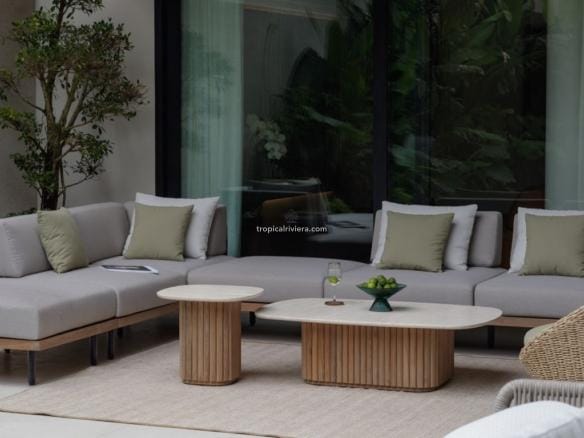
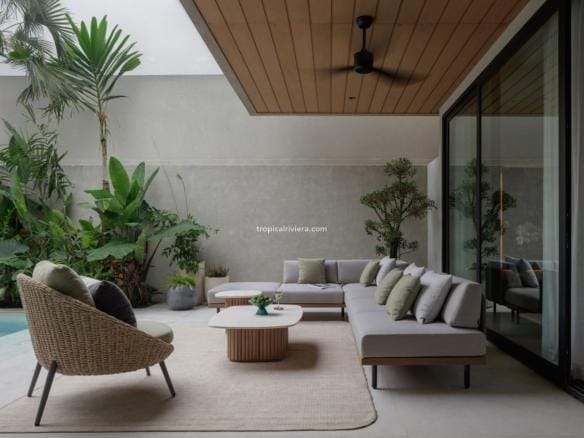
Bali has evolved from a tourism destination into one of Southeast Asia’s most internationally recognised relocation hubs. While the island continues to attract millions of short-term visitors each year, it has also developed a…
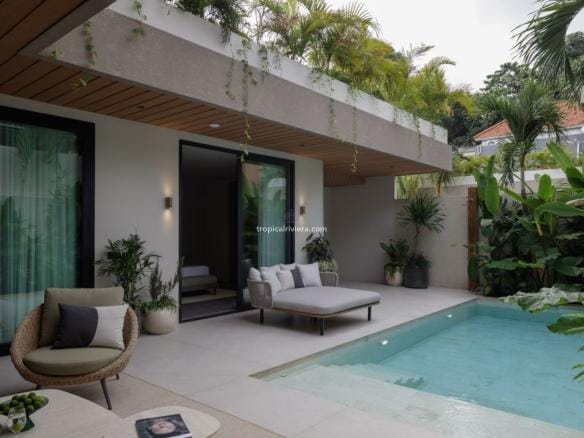
Bali has moved far beyond its identity as a lifestyle destination. It now stands as one of Southeast Asia’s most closely watched property markets, attracting international buyers seeking a combination of personal enjoyment, tourism-driven…

Bali Property Investment: A Guide for Foreign Buyers Bali property investment attracts international buyers seeking lifestyle, beauty, and rental income. Foreigners cannot directly own freehold land in Indonesia, but they can invest through leasehold…

A Place to Come Home To: How to Own Real Estate in Bali for Foreigners Bali real estate for foreigners is no longer just a niche topic — it’s a rising trend. Whether you’re…
Bali property investment — questions answered
How to invest in Bali real estate — FAQ
Practical answers on how foreign buyers legally hold property in Indonesia, how leasehold and PT PMA structures work, what the process and costs involve, what zoning and permits to check, and what Bali villa yields actually look like after management.
Can foreigners own property in Bali?
Foreign nationals cannot hold Hak Milik (freehold title) in Indonesia — this is reserved for Indonesian citizens. The two compliant routes for international buyers are: leasehold (Hak Sewa), where a foreign buyer leases land or property from an Indonesian landowner for a fixed term with renewal options — typically 25+25 or 30+30 years; and PT PMA, where a foreign buyer establishes an Indonesian foreign-owned company which holds the land under Hak Guna Bangunan (right to build). Nominee structures — using an Indonesian individual as a proxy titleholder — are illegal under Indonesian law and create serious legal and financial risk. Full ownership framework on the Bali understanding page.
How does leasehold work in Bali — and what are the risks?
A Bali leasehold gives a foreign buyer the right to occupy and use (and in most cases rent out) a property for a fixed term. Standard initial terms are 25–30 years, with a right of renewal for a further 25–30 years at a pre-agreed price or formula. The lease is registered through a notary (PPAT) and recorded at the National Land Agency (BPN). The main risks: if renewal terms are not clearly stated and legally binding in the original agreement, the landowner is not obligated to renew; in the event of the landowner's death, the lease passes to heirs — this must be addressed contractually; and if the land is sold, the lease must be explicitly protected. Lease quality varies enormously — a well-drafted agreement with a competent notary is as important as the property itself.
What is a PT PMA and when should I use it instead of leasehold?
A PT PMA (Perseroan Terbatas Penanaman Modal Asing) is a foreign-owned Indonesian limited liability company. The PT PMA holds the land under Hak Guna Bangunan (HGB — right to build and use), which is a stronger title than a personal leasehold. PT PMA is appropriate when the buyer is making a larger investment, wants more structural control, is planning to develop or build, or has a longer investment horizon. Setup costs typically include company registration fees, legal fees, and ongoing annual compliance costs — approximately USD 2,000–5,000 to establish and USD 1,000–2,000 per year to maintain. PT PMA is also used for commercial rental operations. For smaller individual purchases of existing villas, leasehold is typically simpler and more cost-efficient. Full comparison on the Bali understanding page.
What does it cost to buy property in Bali as a foreign buyer?
Buyer-side costs: BPHTB (land and building acquisition duty) at 5% of the higher of government NJOP assessed value or transaction price; notary (PPAT) fees at approximately 0.5–1% of transaction value; and legal review costs for due diligence. Seller-side costs include PPh (income tax on transfer) at 2.5% — relevant to understand because it affects how sellers price. No buyer-paid agency fee on our projects. Total buyer-side acquisition costs run approximately 7–10%. Annual land and building tax (PBB) is negligible — typically a very small fraction of property value based on NJOP. Full cost breakdown on the Bali understanding page.
What zoning and permit checks must I do before buying in Bali?
Three checks are non-negotiable before any funds change hands: (1) Land certificate — verify the land has a valid SHM (Hak Milik) or SHGB certificate at BPN and that the seller has clean title. (2) Zoning — confirm the land is in a pink zone (residential or commercial use permitted) not a green zone (agricultural or conservation, where construction is prohibited). Many Bali properties have been built illegally on green zone land — this creates serious long-term legal exposure. (3) Building permit — confirm a valid IMB (Izin Mendirikan Bangunan) or its replacement PBG (Persetujuan Bangunan Gedung) exists for the structure. These checks must be done by an independent notary or lawyer — do not rely on the seller's or developer's documentation alone.
What net rental yield can I expect from a Bali villa?
Well-managed short-term rental villas in established districts (Canggu, Berawa, Uluwatu) target gross yields of 8–12% in strong occupancy years. Net yields after management fees (20–30% of gross revenue), maintenance reserves (typically 5–10% of gross), utilities, and licensing costs run approximately 6–8% for a well-run operation. The gap between gross and net is wider in Bali than in UAE markets because of higher management intensity, maintenance requirements (tropical climate accelerates wear), and seasonal occupancy variation. Verify occupancy rates and net yield figures from the specific management operator's comparable operating villas — not projections.
What is the minimum budget to invest in Bali property?
Leasehold villa entry points vary significantly by district and lease term. Smaller one-bedroom villas or off-plan units in emerging districts start from approximately USD 100,000–150,000 on leasehold. Established districts like Canggu, Berawa, and Uluwatu typically start from USD 200,000–350,000 for a turnkey two-bedroom villa with pool on a 25-year leasehold. Premium design-led product with strong rental management and good micro-location runs USD 400,000–700,000+. Budget also for 7–10% acquisition costs, PT PMA setup if applicable, and furnishing/equipment if buying off-plan or at shell stage.
Can I rent out my Bali property legally as a short-term rental?
Yes, but licensing compliance is required. To legally operate a short-term rental villa in Bali you need: a Business Identification Number (NIB) registered under the property or operating entity; a tourism business licence (currently classified under hospitality accommodation); and compliance with local RT/RW community registration in some areas. Unlicensed short-term rental operations are common in Bali but carry enforcement risk — this has increased in recent years. The PT PMA structure or a local operating entity is typically used for formal commercial rental operations. Confirm the licensing status and structure of any investment before assuming rental operations are straightforward.
Which Bali district is best for rental yield?
District selection depends on the target guest profile and rental strategy. Canggu and Berawa deliver the broadest short-term rental demand — digital nomads, lifestyle visitors, surfers, and extended-stay guests create year-round depth. Uluwatu targets a more premium surf and lifestyle audience with stronger seasonal peaks. Ubud attracts wellness, retreat, and long-stay guests with lower but steadier occupancy. Pererenan is earlier-cycle with growing design-led appeal. No district is universally "best" — the strongest outcome comes from matching the property type, design, and price point to what the district's actual guest base is willing to pay. Micro-location within a district — access, noise, construction — often matters more than the district name.
How long does the buying process take in Bali?
For a leasehold purchase of an existing villa: due diligence (land certificate, zoning, permit verification) typically takes 2–4 weeks with a competent notary; lease agreement drafting and signing 1–2 weeks; BPN registration a further 2–4 weeks. Total from offer accepted to registered lease: approximately 6–10 weeks. For PT PMA route: company establishment adds 4–8 weeks before property acquisition can begin. For off-plan: construction timelines vary significantly by developer — confirm verified completion dates and progress on prior projects before committing.
Can I complete the Bali purchase process remotely?
The legal process in Indonesia requires a PPAT notary to physically witness signatures or to use an officially authorised Power of Attorney. POA-based remote purchases are possible but require the POA to be properly notarised and legalised (apostilled if your country is an Apostille Convention member, or consular legalised if not). Many buyers complete the initial due diligence and contract negotiation remotely, then visit to sign — or execute via a trusted POA holder. For off-plan purchases, the developer's sales team typically has established remote purchase processes. We coordinate with experienced Bali-based legal teams who are accustomed to working with international buyers at a distance.
What should I look for when evaluating a Bali development or villa?
Six questions specific to Bali: (1) Is the land certificate clean — SHM or SHGB verified at BPN, no encumbrances? (2) Is the zoning pink — construction and commercial use permitted? (3) Does a valid IMB/PBG exist for the structure, or is the building in a permit-grey area? (4) Are the lease term, renewal clause, renewal price formula, and landowner succession rights clearly documented in the agreement? (5) Who is the management operator and what are their actual occupancy rates and net yield figures on comparable villas already in operation? (6) What is the realistic future resale buyer — will a future foreign buyer be able to understand, value, and legally acquire this leasehold from you in 10–15 years?
How does Tropical Riviera Realty assist buyers investing in Bali?
We advise international buyers through district selection, ownership structure guidance (leasehold vs PT PMA), legal due diligence coordination, PPAT notary introduction, lease review, and management operator assessment. We work selectively across projects we have independently reviewed in Bali — not tied to any single developer's pipeline. Our advisors hold NAR REALTOR® membership and the Certified International Property Specialist (CIPS) designation. Bilingual in English and French. Remote advisory available. Contact us on WhatsApp at +230 5256 5725 — no obligation, we typically respond within business hours.
NAR REALTOR® · CIPS · Independent Bali advisory
Ready to invest in Bali? Start with a conversation.
We advise on Bali leasehold and PT PMA investments — from district selection and due diligence to signed lease and rental management. Bilingual English/French. Remote advisory available.
WhatsApp Us Now (+230 5256 5725)Contact Us
talk to you soon
