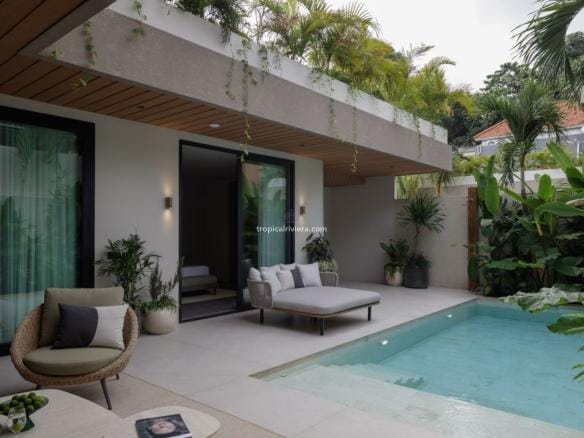
Bali has evolved from a tourism destination into one of Southeast Asia’s most internationally recognised relocation hubs. While the island continues to attract millions of short-term visitors each year, it has also developed a significant expatriate population consisting of entrepreneurs, investors, retirees and remote professionals.
For many foreign residents the appeal lies in Bali’s ability to combine lifestyle quality with global accessibility. International restaurants, coworking environments, hospitality infrastructure and international communities exist alongside traditional villages, agricultural landscapes and coastal environments.
However, relocating to Bali requires a clear understanding of Indonesia’s legal and administrative framework. Immigration rules, employment restrictions and property ownership structures differ significantly from those found in Western markets. Expatriates who approach the move with preparation generally experience a far smoother transition.
Immigration and Residency Framework
Foreign nationals who wish to live in Bali must comply with Indonesia’s immigration regulations administered by the Directorate General of Immigration (Direktorat Jenderal Imigrasi) under the Ministry of Law and Human Rights of the Republic of Indonesia.
Indonesia operates an official electronic visa platform through the national immigration portal where visa categories and application procedures are managed.
The immigration framework includes several permits commonly used by expatriates:
• visitor visas for short stays
• temporary residence permits known as KITAS
• retirement residence permits
• investor residency permits linked to company ownership
Temporary residence permits (KITAS) are widely used by foreign professionals working in Indonesia or by investors holding shares in Indonesian companies.
Because immigration policies evolve periodically, expatriates should verify current visa conditions through the Indonesian immigration authority before relocating.
Cost of Living in Bali
Bali’s cost structure remains one of its strongest attractions for expatriates. While expenses vary depending on lifestyle, many foreign residents find the island significantly more affordable than major global cities.
Typical monthly budgets for expatriates often range between USD 1,500 and USD 3,500, although luxury lifestyles involving large villas, private staff, and international schooling can exceed this range.
Common expenditure categories include:
• accommodation rental
• transportation
• dining and groceries
• private health insurance
• coworking or business services
Compared with cities such as London, Sydney or Singapore, Bali can offer a relatively accessible cost of living while maintaining an international lifestyle environment.
Housing Options for Expatriates
Most expatriates initially rent property rather than purchasing immediately.
Villa rentals are widely available across Bali and allow new residents to explore different neighbourhoods before committing to property investments.
Popular expatriate areas include:
Canggu
Seminyak
Ubud
Uluwatu
Each location offers a different atmosphere, ranging from surf-oriented coastal communities to quieter cultural environments.
Foreign residents considering property purchases should first understand Indonesia’s land ownership system. The legal structure of land rights and foreign ownership is explained in the guide:
Understanding Indonesia Real Estate
https://tropicalriviera.com/understanding-indonesia-real-estate/
Healthcare and Insurance
Bali hosts a number of international medical facilities serving both expatriates and international visitors.
Private hospitals and international clinics provide emergency services, general treatment and specialist care.
However, many expatriates maintain international medical insurance allowing treatment in regional healthcare centres such as Singapore or Bangkok for complex procedures.
Healthcare planning is therefore an important consideration when relocating.
Professional and Social Networks
Bali has developed one of Southeast Asia’s most internationally diverse expatriate communities.
Entrepreneurs, hospitality professionals, creatives and digital professionals from around the world operate businesses or remote careers on the island.
Coworking hubs, networking events and hospitality venues have created a highly connected professional ecosystem that allows expatriates to integrate quickly.
Property Investment After Relocation
Many expatriates initially relocate to Bali for lifestyle reasons before exploring investment opportunities.
Tourism demand and international visitor flows have created strong demand for villas and hospitality properties across the island.
Foreign investors considering Bali’s property market should review the broader investment landscape and legal framework.
A deeper overview is available in the guide:
Invest in Indonesia Bali Real Estate
https://tropicalriviera.com/invest-in-indonesia-bali-real-estate/
Frequently Asked Questions About Living in Bali
Important considerations for expatriates planning relocation to Bali.
Can foreigners legally live in Bali long term?
What is a KITAS residence permit?
Is Bali expensive for expatriates?
Where do most expatriates live in Bali?
Can expatriates work in Bali?
Can foreigners buy property in Bali?
How good is healthcare in Bali?
Is Bali safe for expatriates?
Why do entrepreneurs move to Bali?