Buy Property in Saudi Arabia as a Foreigner (2026 Guide)
Saudi Arabia property for foreigners has entered a more structured phase. As Vision 2030 accelerates development, international buyers increasingly explore Saudi real estate for long-term positioning, lifestyle access, and measured capital preservation.
Rather than relying on short-lived momentum, Saudi Arabia’s real estate market increasingly moves with infrastructure, policy direction, and real demand. Consequently, buyers who take a calm, criteria-led approach tend to make the best decisions.
If you are researching opportunities across the Kingdom, you may also want to start with the main overview page: Invest in Saudi Arabian Real Estate. From there, you can explore city-specific guidance for Riyadh and Jeddah.
Saudi Arabia Property Rules for Foreigners
Yes — foreign nationals may purchase property in approved zones, subject to regulations issued by the relevant authorities. In practice, eligibility depends on property type, location, and intended use. However, when you match the right asset to the right framework, the process becomes clearer and more predictable.
Importantly, this approach prioritises quality investment and long-term alignment with national development objectives. As a result, the market tends to reward patience, due diligence, and selection discipline.
Key Locations Open to Foreign Buyers
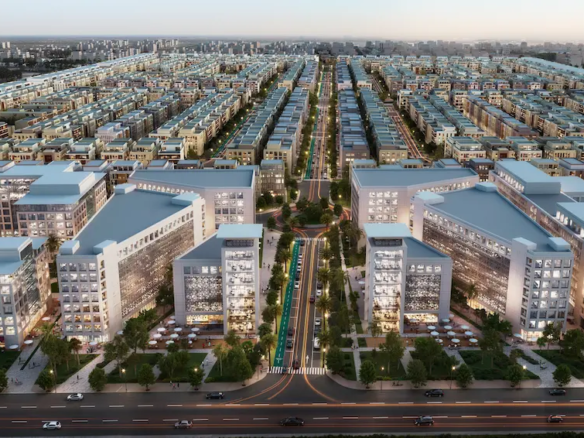
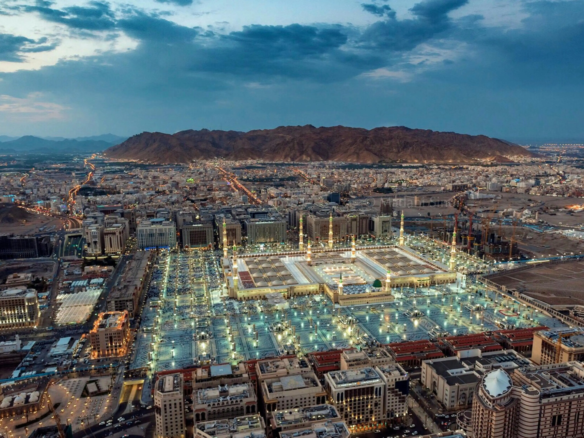
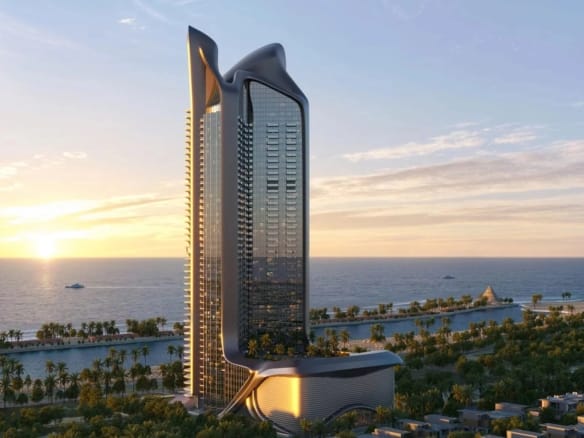
Although access remains selective, several destinations stand out for international buyers. Riyadh continues to lead demand as the Kingdom’s administrative and commercial engine. Meanwhile, Jeddah offers a coastal rhythm supported by lifestyle appeal and strong occupancy fundamentals.
In addition, special development zones and large-scale projects gradually broaden the set of investable opportunities. Therefore, early positioning in well-planned districts can matter — provided the fundamentals remain strong.
The Buying Process: What to Expect
The acquisition process typically follows a defined structure. First, you identify a qualifying property. Next, you complete due diligence and contractual review. Then, you proceed to registration through the appropriate channels. Throughout, clear documentation and verified counterparties keep the transaction smooth.
For that reason, preparedness matters. Buyers who work with professional representation, request documentation early, and choose credible developers tend to move faster — and with more confidence.
Investment Outlook and Long-Term Value
Saudi Arabia’s market often favours long-term positioning. Instead of chasing volatility, disciplined buyers anchor decisions in population growth, infrastructure investment, and employment-driven demand. Moreover, premium residential stock in leading districts can support both stability and usability.
At the same time, rental demand continues to develop in urban centres, especially where business activity and lifestyle amenities converge. Consequently, well-located assets can deliver a balanced mix of capital preservation and income potential.
Residency and Ownership Considerations
In certain cases, property ownership may support residency or long-term stay options, depending on prevailing rules and investment thresholds. While residency is not automatic, ownership can form part of broader investor pathways. Therefore, buyers should verify the latest criteria at the time of purchase.
Why Saudi Arabia Appeals to International Investors
Saudi Arabia is no longer viewed simply as an “emerging” market. Instead, it increasingly presents a policy-led trajectory supported by institutional development and large-scale transformation. Above all, ownership here tends to reflect intent: to participate, to align, and to invest with perspective.
Next step: explore the main country overview and city guides: Saudi overview · Riyadh guide · Jeddah guide.
Frequently Asked Questions
Yes. Saudi Arabia property for foreigners is possible in approved zones, subject to the relevant regulations. Eligibility depends on location, property type, and intended use, so it is best to confirm criteria before reserving.
At present, the market generally favours long-term positioning. Vision 2030 infrastructure, urban expansion, and lifestyle development tend to reward patient owners rather than short-term speculation.
Dubai is a mature, highly liquid market with long-established freehold systems. Saudi Arabia, by contrast, is more selective and policy-led, and it often suits buyers who prefer early positioning within long-term structural growth.