Retiring in Qatar as an Expat (2026): Sovereign Stability, Waterfront Living & Structured Residency
Qatar
Doha
Lusail
The Pearl-Qatar
Qatar offers a retirement environment defined by sovereign strength, infrastructure quality, and structured property-linked residency.
Unlike Dubai’s high-velocity global brand positioning, Qatar presents a more composed, capital-secure, and policy-driven environment.
For expatriates seeking:
-
Political stability
-
Modern healthcare
-
Waterfront property in master-planned districts
-
A tax-neutral income environment
-
Lower lifestyle volatility
Qatar deserves strategic attention in 2026.
Why Qatar Appeals to Structured Retirees
Qatar’s strength lies in its macro fundamentals:
-
One of the highest GDP per capita globally
-
Strong sovereign wealth backing
-
Long-term national infrastructure planning
-
Controlled development cycles
Retirement here feels less speculative and more state-backed.
It is a country built with long-horizon infrastructure logic rather than rapid vertical expansion.
Residency & Property-Linked Pathways
Qatar has developed structured residency mechanisms connected to property acquisition in designated areas, notably:
-
The Pearl-Qatar
-
Lusail City
-
Qetaifan Island North
Property ownership in certain zones may allow:
-
Long-term residency rights
-
Renewable residency privileges
-
Potential family sponsorship
Regulatory details evolve, so alignment before acquisition is essential.
Retirement in Qatar works best when residency planning is integrated with asset selection from day one.
Tax Environment
Qatar does not impose personal income tax on individuals at the local level.
This means retirees may benefit from:
-
No tax on pension income (local level)
-
No personal capital gains tax (local level)
-
No wealth tax
However, global tax residency obligations still apply depending on nationality.
From a structural perspective, Qatar is tax-neutral in similar fashion to the UAE.
Property Ownership for Foreigners
Foreign nationals can own property in designated freehold zones.
Retirement-focused areas include:
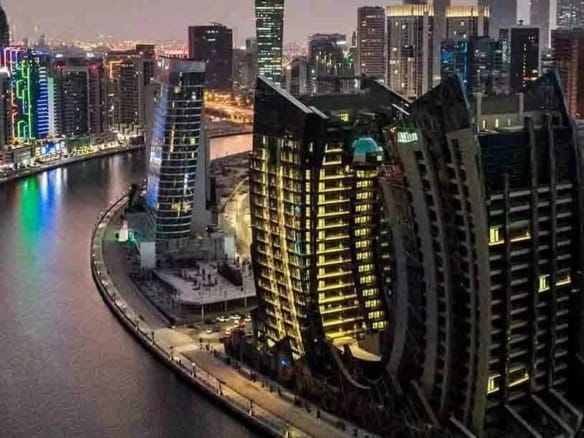
The Pearl-Qatar
Luxury marina living, walkability, Mediterranean-style waterfront design.
Lusail City
Master-planned urban district with:
-
Marina promenades
-
Stadium infrastructure
-
Modern residential towers
-
Retail & hospitality zones
Qetaifan Island North adds resort-style beachfront positioning.
Explore opportunities here:
👉 Understand Qatar Real Estate
Cost of Living
Qatar is premium but structured.
Costs include:
-
Housing (purchase or rental)
-
Health insurance
-
Dining and leisure
-
Utilities (climate dependent)
Generally, Qatar may feel:
-
Less consumption-driven than Dubai
-
Slightly more corporate in daily rhythm
-
More policy-controlled in pricing cycles
Healthcare Infrastructure
Qatar has heavily invested in healthcare systems.
You will find:
-
Modern hospitals
-
Specialist centres
-
Strong government-backed infrastructure
-
Private options for premium coverage
For retirees, insurance coverage remains essential for seamless access.
Culture & Social Environment
Qatar is culturally conservative but internationally integrated.
Important characteristics:
-
Respect for Islamic norms
-
High concentration of expatriates in business sectors
-
Controlled nightlife
-
More discreet social scene than Dubai
Retirees who prefer:
-
Order
-
Quiet luxury
-
Structured community living
often appreciate Qatar’s tone.
Cuisine & Dining
Qatar’s dining scene is:
-
Hotel-driven
-
High-quality
-
Less flashy than Dubai
-
Strong in Middle Eastern, Mediterranean, and international cuisine
The Pearl and Lusail offer waterfront dining experiences suited to relaxed retirement rhythms.
Food culture is premium but composed.
Climate
Qatar shares the Gulf climate pattern:
-
Exceptional winters (Nov–Mar)
-
Hot summers
Waterfront living mitigates density stress.
Many retirees structure seasonal travel into summer months.
Strategic Difference: Qatar vs Dubai
Dubai:
-
High energy
-
More tourism-driven
-
More global spectacle
Qatar:
-
More sovereign-backed
-
More policy-driven
-
More measured growth
-
More discreet wealth environment
Both are tax-neutral at local level. The difference is personality and pace.
Risks & Considerations
Retirees should evaluate:
-
Regulatory changes in residency criteria
-
Liquidity in resale markets
-
Development timelines
-
Cultural comfort level
Qatar is stable — but stability should not be confused with liquidity depth.
Choose assets in established districts with infrastructure already delivered.
Who Qatar Is Best For
Qatar suits retirees who value:
-
Sovereign stability
-
Waterfront marina living
-
Structured environments
-
Lower lifestyle volatility
-
Discreet wealth presence
Less suited for:
-
High-energy social scenes
-
Speculative flipping
-
Ultra-global expat nightlife lifestyle
A Strategic Next Step
Retirement in Qatar should align:
-
Residency pathway
-
Waterfront district choice
-
Asset governance & resale realism
Explore curated opportunities:
👉 Invest in Qatar Real Estate
Retirement is jurisdictional alignment, not relocation impulse.
Key Questions, Answered
A structured overview for expatriates evaluating retirement in Qatar.
Is Qatar tax-free for retirees?
Qatar does not impose personal income tax at the local level, making it structurally attractive for retirees with pension or investment income.
Can foreigners own property in Qatar?
Yes. Foreign nationals can own property in designated zones such as The Pearl-Qatar and Lusail, with legal registration frameworks in place.
Explore: Invest in Qatar Real Estate.
Is Qatar quieter than Dubai for retirement?
Generally yes. Qatar offers a more structured and measured lifestyle rhythm compared to Dubai’s high-energy metropolitan environment.
Is healthcare reliable in Qatar?
Qatar has invested heavily in healthcare infrastructure, with modern hospitals and specialist centres available in Doha.
Is Qatar suitable for long-term retirement positioning?
Yes, particularly for retirees who prioritise sovereign stability, structured urban planning, and waterfront master-planned communities.