Retiring in Dubai as an Expat (2026): Tax-Efficient Residency, Luxury Lifestyle & Waterfront Living Strategy
Dubai has become one of the world’s most strategic retirement bases for expatriates—particularly for those seeking tax efficiency, global connectivity, and a premium lifestyle ecosystem supported by modern infrastructure.
Unlike traditional retirement destinations that trade lifestyle for bureaucracy (or low cost for weak infrastructure), Dubai offers a more structured proposition:
A high-security, high-convenience city built for international residents
A property market with globally recognised freehold ownership zones
A tax environment that can be materially advantageous for globally mobile retirees
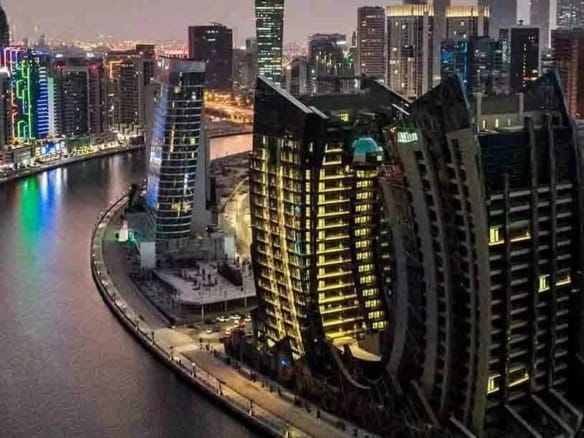
A luxury lifestyle built around waterfront districts, wellness, dining, and service-led living
If your retirement plan is not only “where to live” but how to protect capital, preserve flexibility, and maintain quality of life, Dubai deserves serious consideration.
Why Dubai Works as a Retirement Base
Dubai’s appeal is not hype—it’s structural.
1) Convenience as a lifestyle standard
Daily life is designed around ease: concierge buildings, premium malls, reliable delivery infrastructure, and service culture across hospitality, maintenance, healthcare, and mobility.
2) Global mobility
Dubai is a practical travel base for international families. Long-haul connectivity matters in retirement: visiting children, accessing overseas specialists, and maintaining multi-country business or family ties.
3) Safety and social stability
Dubai’s reputation for public security is one of its strongest intangible assets. For retirees, the ability to live freely—day or night—without lifestyle friction is not a luxury; it’s quality of life.
Residency: Dubai Retirement Visa (Strategic Overview)
Dubai offers a renewable retirement residency pathway (commonly positioned for applicants aged 55+), generally aligned with financial qualification such as:
Verified income level, and/or
Savings threshold, and/or
Property ownership criteria
Because requirements can evolve, the right approach is to structure eligibility first, then align the property choice with residency logic—not the other way around.
Retirement residency is most stable when your documentation, income visibility, and asset positioning are coordinated from the start.
Tax Environment: Why Dubai Attracts International Retirees
Dubai is widely considered tax-efficient in comparison to many Western jurisdictions due to the absence of local-level taxes such as:
Personal income tax
Capital gains tax (local level)
Wealth tax
This can be powerful for retirees with:
Investment portfolios
Dividend income
Pension income (depending on home-country treatment)
Multi-jurisdiction holdings
Important: Tax outcomes depend on your nationality and where you are considered tax resident. Dubai can be structurally advantageous, but retirement planning should include cross-border guidance.
Property Ownership: Freehold Real Estate and Retirement Positioning
Foreign nationals can own property in Dubai in designated freehold areas, with transactions registered through official government channels.
From a retirement standpoint, the market is attractive because it offers both:
Lifestyle-led assets (waterfront, marina, beachfront)
Portfolio-led assets (liquidity, rental depth, resale demand)
Retirement property strategies that actually make sense
1) Waterfront apartment (liquidity + lifestyle)
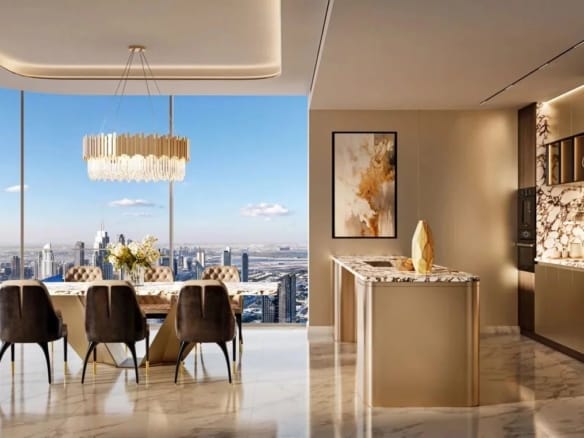
Best for retirees who want walkability, services, dining, marinas, and an easy “lock-and-leave” base.
2) Villa or gated community (privacy + space)
Best for retirees who prioritise privacy, hosting family, larger layouts, and quiet.
3) Hybrid approach (residence + income asset)
A common HNWI strategy: keep a primary residence and hold a second asset that can be rented or exited depending on market conditions.
Start here:👉 Understanding Dubai Real Estate
Cost of Living: Premium, but Scalable
Dubai is not a low-cost retirement destination. It is a high-value retirement destination.
Your monthly spend depends on two variables:
Housing decision (rent vs own, district, building class)
Lifestyle intensity (dining, travel, clubs, private services)
Typical spend patterns (couple):
Comfortable premium: mid four figures USD/month
Luxury lifestyle: easily five figures USD/month
Cost drivers are usually:
Housing (or mortgage)
Health insurance
Dining and leisure
Cooling/utilities in summer
Domestic services (optional)
Healthcare: International Standard, Private-Led
Dubai’s healthcare is private-led and internationally oriented, with strong access to:
Specialists
Modern diagnostics
Elective procedures
High-end outpatient care
For retirees, the critical factor is insurance quality. If you plan Dubai as a long-term base, choose an insurance strategy that matches:
Your age profile
Pre-existing conditions
Preferred hospital networks
Regional fallback options (e.g., other GCC or Europe, depending on your passport)
Healthcare should be planned as deliberately as the property.
Culture: Comfortable, Cosmopolitan, Respectful
Dubai’s cultural reality is simple: it is internationally run, but locally rooted.
What retirees typically experience:
English is widely spoken
International residents dominate professional and lifestyle ecosystems
Local norms are present, but not daily friction when respected
People are used to global standards, global etiquette, and global expectations
A useful mindset:
Dubai is not “Western Europe with a beach”—it is a global city in an Arab country. Respect the setting, and Dubai becomes exceptionally easy to live in.
Cuisine & Dining: Global, High-End, and Lifestyle-Defining
Dubai’s culinary scene is not a side feature—it’s part of the lifestyle architecture.
Retirees can expect:
Premium international dining across all major cuisines
A serious fine-dining and hotel-led restaurant ecosystem
High-quality seafood and waterfront venues
Deep Middle Eastern dining culture (Lebanese, Persian, Gulf)
Strong café culture, brunch culture, and concierge-level service
If part of retirement for you is “living well,” Dubai delivers that daily without effort.
Climate: How Retirees Actually Live Through the Year
Dubai’s lifestyle is seasonal:
Winter (Nov–Mar): outdoor living, beaches, walking, al fresco dining
Summer (May–Sep): indoor luxury lifestyle, travel season, early mornings/evenings
The city is designed for heat: malls, indoor venues, high-end amenity buildings, and service convenience.
Many retirees either:
Travel during peak heat months, or
Choose buildings/communities where the summer lifestyle still feels premium (pools, gyms, lounges, concierge, shaded outdoor areas)
Social Life: Community, Clubs, and Quiet Luxury
Dubai’s retirement social life often centres around:
Waterfront promenades and marinas
Golf clubs and country clubs
Beach clubs (more “lifestyle” than “party” in the premium tier)
Art, exhibitions, concerts, curated events
Private dining, private groups, expat networks
The city supports both:
High-profile luxury
Quiet, understated comfort (which many retirees prefer)
Risks & Considerations (Realistic, Not Marketing)
Dubai is strong when it is structured. Problems happen when it is improvised.
Key risks retirees should manage:
Buying based on marketing rather than fundamentals
Underestimating service charges in certain buildings
Choosing a location that isn’t aligned with daily lifestyle needs
Ignoring exit logic (resale depth, rental demand, liquidity realities)
Underplanning healthcare and insurance
Dubai retirement is excellent when you treat it as jurisdictional positioning, not a holiday decision.
Who Dubai is Best For
Dubai is best for retirees who prioritise:
Safety and infrastructure
Tax efficiency and mobility
Premium healthcare access
Waterfront/golf lifestyle
International community and services
Less suited for:
Low-cost retirement seekers
Rural nature-first lifestyles
Those who want citizenship as an end goal
A Classy Next Step
If you are evaluating Dubai as a retirement base, the smartest move is to align three decisions early:
Residency pathway (qualification logic)
Lifestyle district (how you want to live day-to-day)
Asset selection (quality, governance, exit logic)
Explore your options here:
👉 Invest in Dubai Real Estate — https://tropicalriviera.com/dubai-investing-in-real-estate/
Optional supporting guide (internal link):
👉 Buying Property in Dubai as a Foreigner — https://tropicalriviera.com/buy-property-in-dubai-as-a-foreigner/
Key Questions, Answered
A retirement-focused overview for expatriates prioritising residency clarity, lifestyle quality, and long-horizon asset positioning.
Is Dubai a realistic retirement base for expatriates in 2026?
Yes—Dubai combines modern infrastructure, high personal safety, global healthcare access, and an international community. The lifestyle is premium, with the city designed for convenience and year-round comfort.
Start here: Invest in Dubai Real Estate.
How does the Dubai retirement visa work—and what typically qualifies?
Dubai offers a renewable retirement residency pathway (commonly positioned for applicants aged 55+), usually based on demonstrated financial criteria such as income, savings, or property ownership. Requirements can evolve, so eligibility should be structured before committing to a property decision.
Is Dubai genuinely tax-efficient for retirees?
Dubai is widely regarded as tax-efficient due to the absence of local-level personal income tax, capital gains tax, and wealth tax. Retirees should also evaluate how their home-country rules treat pension income and tax residency.
Can foreigners legally own property in Dubai—and is it secure?
Yes. Foreign nationals can purchase freehold property in designated areas with registered title deed ownership. Transactions are recorded through official government channels, providing a clear legal framework and transparency.
What retirement lifestyle does Dubai actually offer day-to-day?
Concierge-led residential living, marinas, beachfront districts, golf communities, wellness facilities, and a service-first culture. English is widely used across services, healthcare, and commerce, and the international community is substantial.
How is the culture—will retirees feel comfortable and integrated?
Dubai is culturally respectful and cosmopolitan. Islamic traditions shape public etiquette, while daily life is expatriate-led with strong international communities and lifestyle networks.
What is Dubai like for cuisine and dining at a luxury level?
Dubai’s dining scene is globally competitive with fine dining, Michelin-recognised venues, luxury hotel restaurants, and diverse international cuisine. Dining is embedded in the lifestyle ecosystem, not an occasional treat.
How strong is healthcare in Dubai for retirees?
Healthcare is private-led and internationally oriented with modern facilities and specialist access. Retirees typically rely on comprehensive private medical insurance for consistent coverage and preferred networks.
What about climate—how do retirees handle the summer?
Winters are ideal for outdoor living. Summer is hot, but Dubai is built for indoor luxury lifestyle infrastructure, air-conditioning, and amenity-rich buildings. Many retirees travel during peak heat or adjust routines.
What is the smart retirement property strategy in Dubai?
Choose based on how you want to live and how you want to exit. Waterfront apartments typically offer liquidity and convenience; villa communities offer space and privacy. The best strategy combines liveability, rental depth, realistic service charges, and clear resale logic.
Positioning: Dubai retirement + investment overview.