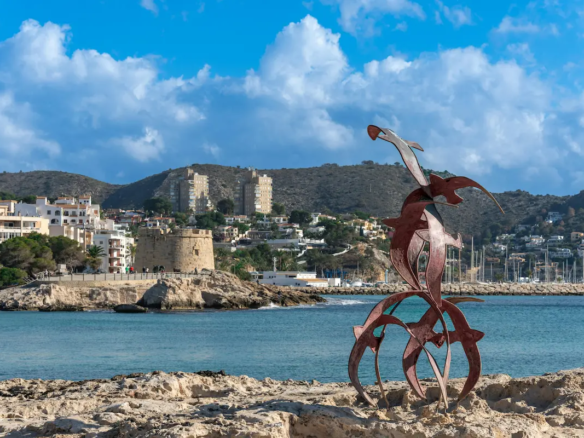
Spain remains one of the most institutionally recognised real estate markets in Europe, combining transparent legal structures, strong tourism demand, and deep liquidity across key regions such as Costa del Sol, Madrid, Barcelona, and the Balearic Islands.
For foreign buyers—whether EU or non-EU—Spain offers full freehold ownership rights with no nationality restrictions. However, navigating the process correctly is essential to secure the asset, optimise taxation, and avoid execution risks.
🇪🇸 Why Spain Continues to Attract Global Buyers
Spain is not a speculative frontier market. It is a mature, regulated real estate environment backed by:
- Strong legal protection of property rights
- Established notarial system (mandatory for transactions)
- High international demand (tourism + second homes)
- Proven rental markets (short-term + long-term)
- Access to EU lifestyle and infrastructure
From an investment perspective, Spain combines lifestyle value with capital preservation—particularly in prime coastal zones such as Marbella and Benahavís, where supply is structurally constrained.
Can Foreigners Buy Property in Spain?
Yes—foreigners can buy property in Spain with full ownership rights.
There are no restrictions based on nationality, meaning:
- Non-EU buyers can acquire freehold property
- No requirement for local residency
- No limitation on number of properties owned
This is one of the key reasons Spain competes globally with markets such as Portugal and France, while offering comparatively stronger rental yields in certain regions.
Types of Property Ownership in Spain
Foreign buyers typically acquire:
1. Freehold Ownership (Full Title)
- Complete ownership of the property
- Registered under your name at the Land Registry
- Most common structure
2. New Developments (Off-Plan or Turnkey)
- Protected by Spanish law
- Payments secured via bank guarantees
- Staged payment plans
3. Resale Properties
- Immediate transfer
- Lower entry pricing (in some cases)
- Requires deeper due diligence
The Buying Process (Step-by-Step)
The Número de Identificación de Extranjero (NIE) is mandatory for any financial transaction in Spain.
2. Open a Spanish Bank Account
Required for:
- Payment of taxes
- Utilities
- Property-related expenses
3. Reservation Agreement
- Property is secured with a deposit (€6,000–€10,000 typical)
4. Private Purchase Contract (Contrato de Arras)
- 10% deposit
- Binding agreement between buyer and seller
5. Due Diligence
Conducted by a lawyer:
- Title verification
- Debts and charges
- Planning compliance
6. Completion at Notary
- Signing of title deed (Escritura Pública)
- Balance payment
- Registration in Land Registry
Taxes & Costs When Buying Property in Spain
Understanding the cost structure is critical for proper asset positioning.
Purchase Costs (Approx. 10%–14%)
For Resale Property:
- Transfer Tax (ITP): 6%–10% (varies by region)
For New Builds:
- VAT (IVA): 10%
- Stamp Duty (AJD): 0.5%–1.5%
Additional Costs:
- Notary: ~0.5%
- Legal fees: ~1%
- Land Registry: ~0.5%
Annual Taxes for Property Owners
- Property Tax (IBI)
- Non-resident income tax (if not renting)
- Rental income tax (if leasing the property)
Spain’s tax system is transparent but requires proper structuring—particularly for non-residents generating rental income.
Residency & Visa Considerations
Spain previously offered a Golden Visa scheme for property investors above €500,000. However, this has been subject to regulatory review.
As of 2026:
- Residency pathways remain available
- Property ownership can support visa applications
- Legal consultation is recommended for structuring
Best Locations for Foreign Buyers
- High international demand
- Strong rental yields
- Luxury branded residences emerging
Madrid
- Institutional market
- Stable long-term growth
Barcelona
- Cultural hub
- Strong rental demand
Balearic Islands (Mallorca / Ibiza)
- Ultra-luxury segment
- Limited supply
Investment Strategy: What Actually Works
For foreign investors, performance depends on asset selection—not just location.
1. Branded Residences
- Higher liquidity
- Premium positioning
- Managed rental potential
2. Resort-Integrated Properties
- Infrastructure already in place
- Stronger tenant demand
3. Limited-Supply Zones
- Coastal + gated communities
- Capital appreciation potential
Avoid standalone, low-quality developments with no surrounding ecosystem—these underperform both in resale and rental markets.
Legal & Risk Considerations
Spain is a highly regulated real estate jurisdiction, but execution matters.
Always ensure:
- Independent legal representation
- Verification at Land Registry
- Confirmation of planning permissions
- Clear tax structuring
The involvement of a notary is mandatory, which adds a strong layer of transactional security compared to many global markets.
About Us — International Real Estate Advisory
Tropical Riviera International Realty operates as a Mauritius-based, internationally focused brokerage, advising private clients and investors across Europe, the Middle East, and selected global markets.
We are aligned with global professional standards through affiliations with the National Association of REALTORS® and Certified International Property Specialist (CIPS) network, reinforcing cross-border transaction expertise.
Our role is not limited to “selling property.”
We advise on:
- Market selection and asset positioning
- Legal structures and acquisition pathways
- Developer credibility and project viability
- Transaction execution and risk mitigation
Across Spain, our focus is on institutionally recognised locations and projects—including established resort ecosystems such as Finca Cortesin and prime Costa del Sol zones—where infrastructure, demand, and long-term positioning are already proven.
We work directly with selected developers and verified resale inventory, ensuring:
- Transparent acquisition processes
- Verified legal frameworks
- Access to investment-grade opportunities
This approach is designed for international buyers who prioritise asset quality, execution certainty, and long-term value.
Start Your Acquisition — Private Advisory
If you are considering acquiring property in Spain, the difference is not access—it is execution and positioning.
We work with a limited number of clients to ensure:
- Direct access to vetted opportunities
- Structured acquisition strategy
- End-to-end coordination (legal, notary, developer, resale)
Request the shortlist or speak directly with an advisor.
Frequently Asked Questions