Branded Residences and Portfolio Diversification for Global Investors
For internationally active investors, the question is rarely just "is this a nice property." It is whether a branded residence earns its place inside a portfolio built for capital preservation, currency diversification and resilience across cycles.
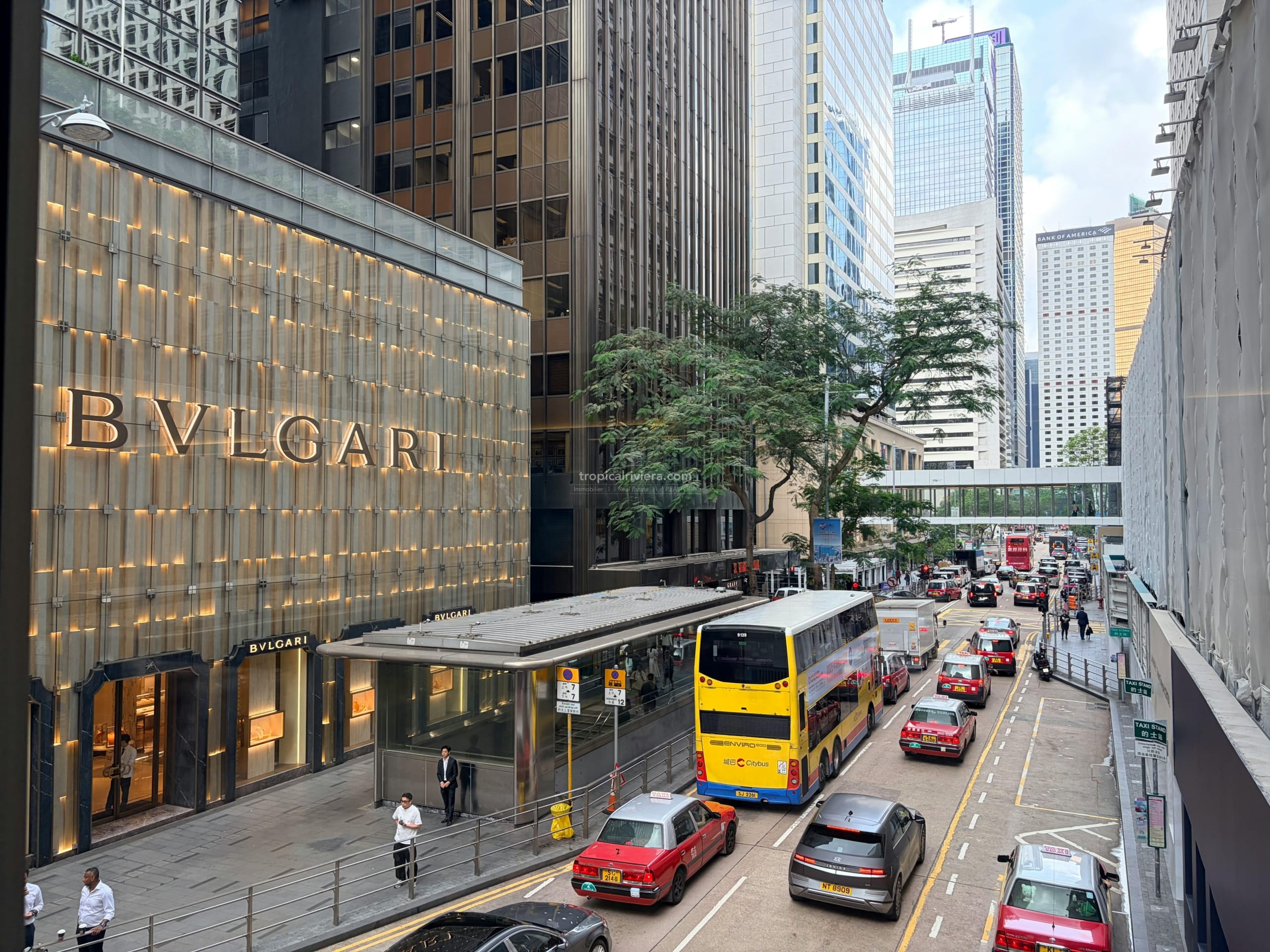
Branded residences are increasingly examined not simply as luxury property acquisitions, but as part of a broader conversation around portfolio diversification and long-duration wealth positioning. Sophisticated investors rarely view prime real estate solely through the lens of appreciation — they evaluate how a real asset contributes to capital preservation, currency diversification and resilience through economic cycles.
In that context, branded residences attract attention because they combine defensive characteristics associated with scarce hard assets with demand drivers linked to globally mobile wealth. For some investors, branded residential ownership is therefore less about acquiring luxury housing in isolation and more about positioning part of a portfolio within internationally relevant, supply-constrained real estate linked to long-term structural demand. For a market-by-market look at the specific projects this thinking applies to, see our roundup of branded hotel residences across the Middle East and East Africa.
Executive Summary
Why Some Investors View Branded Residences As A Wealth Preservation Play
Wealth preservation often relies on assets capable of retaining relevance through changing market conditions, not merely generating upside during strong cycles. This is one reason some investors increasingly evaluate branded residences through a preservation lens. Prime residential assets in strategic global destinations may be viewed as stores of value supported by land scarcity, replacement constraints and international demand, while branded positioning can in some cases contribute an additional layer of market recognition.
For internationally active families, this may sit within a wider objective of preserving purchasing power through exposure to tangible assets rather than concentrating entirely in financial instruments. Investors exploring how real estate may support broader cross-border capital positioning may also find value in our guide to understanding international real estate investment.
How Branded Residences Sit Between Lifestyle Assets And Income-Producing Real Estate
One reason this segment attracts sophisticated capital is that it may occupy a space between purely lifestyle-driven ownership and purely income-driven investment property. That hybrid nature can be strategically interesting.
Portfolio Construction: Trophy Assets Versus Strategic Branded Residential Holdings
Sophisticated investors often distinguish between prestige acquisitions and strategic real asset allocations, even when both sit within prime residential markets. A trophy acquisition may be driven primarily by exclusivity or personal enjoyment, whereas strategic branded residential holdings are usually evaluated through a different framework involving jurisdiction, supply dynamics, mobility utility and long-term relevance within broader portfolio construction. We set out this distinction — and why brand alone rarely creates investment quality — in more depth in Branded Residences as a Global Real Estate Asset Class.
This is not a question of one being superior to the other. It is a question of investment function. Some assets serve expression of wealth. Others serve protection of wealth. In many sophisticated portfolios those roles are deliberately separated.
Currency, Jurisdiction And Political Diversification Through Cross-Border Residential Assets
An increasingly important reason prime cross-border property attracts sophisticated buyers relates to diversification beyond markets and sectors into jurisdictional exposure itself. Investors may seek holdings across multiple legal, economic or currency environments as part of broader resilience planning.
This does not mean the branding itself creates that strategic value. Rather, it is the combination of location, ownership framework and asset quality that draws attention.
- GCC freehold structures across the UAE and Vision 2030-linked zones in Saudi Arabia
- Integrated Tourism Complex ownership in Oman
- Indian Ocean frameworks in Mauritius and Zanzibar
- Southeast Asian entry routes in Indonesia and Bali
For internationally mobile capital, residential assets can serve not simply as investments, but as part of broader wealth geography planning. Those evaluating how jurisdictional positioning may influence long-term property strategy can explore International Real Estate Advisory.
How Family Offices And Private Investors May Use Branded Real Estate Differently
The way private investors approach branded residences can differ materially from how family offices or sophisticated multi-generational capital assess the same assets. Individual buyers often focus on lifestyle utility and long-term value retention, while family office thinking may incorporate intergenerational planning, liquidity considerations, asset correlation and defensive allocation characteristics.
In some cases, branded residences are studied not only as direct acquisitions but as components within wider real asset strategies that may include logistics, hospitality, private credit or operating businesses — including, in some cases, acquiring several units at once within the same development. We cover how that approach works in practice in Why Investors Use Bulk Purchases in New Developments.
Positioning Branded Residences Inside A Diversified Portfolio
The strongest outcomes rarely come from evaluating a branded residence in isolation. They come from understanding what role the asset is meant to play — preservation, diversification, income, or legacy planning — before capital is committed.
When Branded Residences May Complement Broader Real Asset Portfolios
For many sophisticated investors, the question is not whether branded residences should replace other investments, but whether they may complement broader real asset holdings. Some investors see select branded residences as balancing assets that sit alongside more income-oriented holdings, adding a layer of hard asset exposure with different risk characteristics. Some may view them partly through inflation resilience. Others may consider their role within legacy planning or family capital preservation.
What matters is that the asset is evaluated according to the role it may play within the broader structure, rather than in isolation. That portfolio-function perspective is often what distinguishes strategic ownership from opportunistic acquisition.
The Long-Term Strategic Role Of Branded Residences In Global Wealth Planning
Branded residences increasingly attract attention not merely because they sit within luxury real estate, but because some align with themes shaping long-term wealth planning itself: real asset resilience, diversification, mobility and generational thinking. That does not mean all branded residences warrant such treatment — serious investors understand selectivity remains critical.
Yet where location fundamentals, ownership structure and long-term demand drivers align, some branded residences may be evaluated as more than prestige-driven acquisitions. They may be considered part of how wealth is positioned across borders and across generations.
About Tropical Riviera International Realty
Tropical Riviera International Realty is an independent real estate brokerage based in Mauritius, advising property owners, buyers and investors across residential, luxury, commercial and international real estate markets.
The firm is led by Bhavesh Koonja, REALTOR® and Certified International Property Specialist (CIPS), combining local market knowledge with international real estate experience across Mauritius, the Middle East, Europe and selected global investment destinations.
We assist investors with cross-border acquisition strategy, branded residences positioning, jurisdiction comparison, international buyer representation and transaction coordination.
For the wider investment framework, visit our International Real Estate Investment page.
Branded Residences Portfolio Diversification FAQ
Are branded residences a good portfolio diversification tool?
They can be, when evaluated for the specific role they play — preservation, income, jurisdictional diversification or legacy planning — rather than for branding alone.
What is the difference between a trophy asset and a strategic branded residence?
A trophy acquisition is usually driven by exclusivity and personal enjoyment, while a strategic holding is evaluated through jurisdiction, supply dynamics, mobility utility and long-term relevance within a wider portfolio.
Do branded residences generate rental income?
Many do, particularly where the operating brand runs a structured rental or management programme, though income potential varies significantly by project and jurisdiction.
Why do family offices approach branded residences differently from individual buyers?
Family offices often incorporate intergenerational planning, liquidity considerations and asset correlation into the decision, rather than focusing primarily on lifestyle utility.
How does jurisdiction affect branded residences investment?
Jurisdiction shapes ownership structure, currency exposure and legal protections, which is why sophisticated investors often compare multiple markets before committing capital.
Should branded residences replace other investments in a portfolio?
Not necessarily. Most sophisticated investors treat them as a complement to broader real asset holdings rather than a replacement for other investment types.