Buying an Apartment in Mauritius: What Buyers Should Check Before They Commit
A practical guide to buying an apartment in Mauritius, covering syndic and co-ownership documents, service charges, parking rights, building condition, rental restrictions, bank valuation, resale liquidity, completed resales, new-build apartments and the G+2 route for eligible foreign buyers.
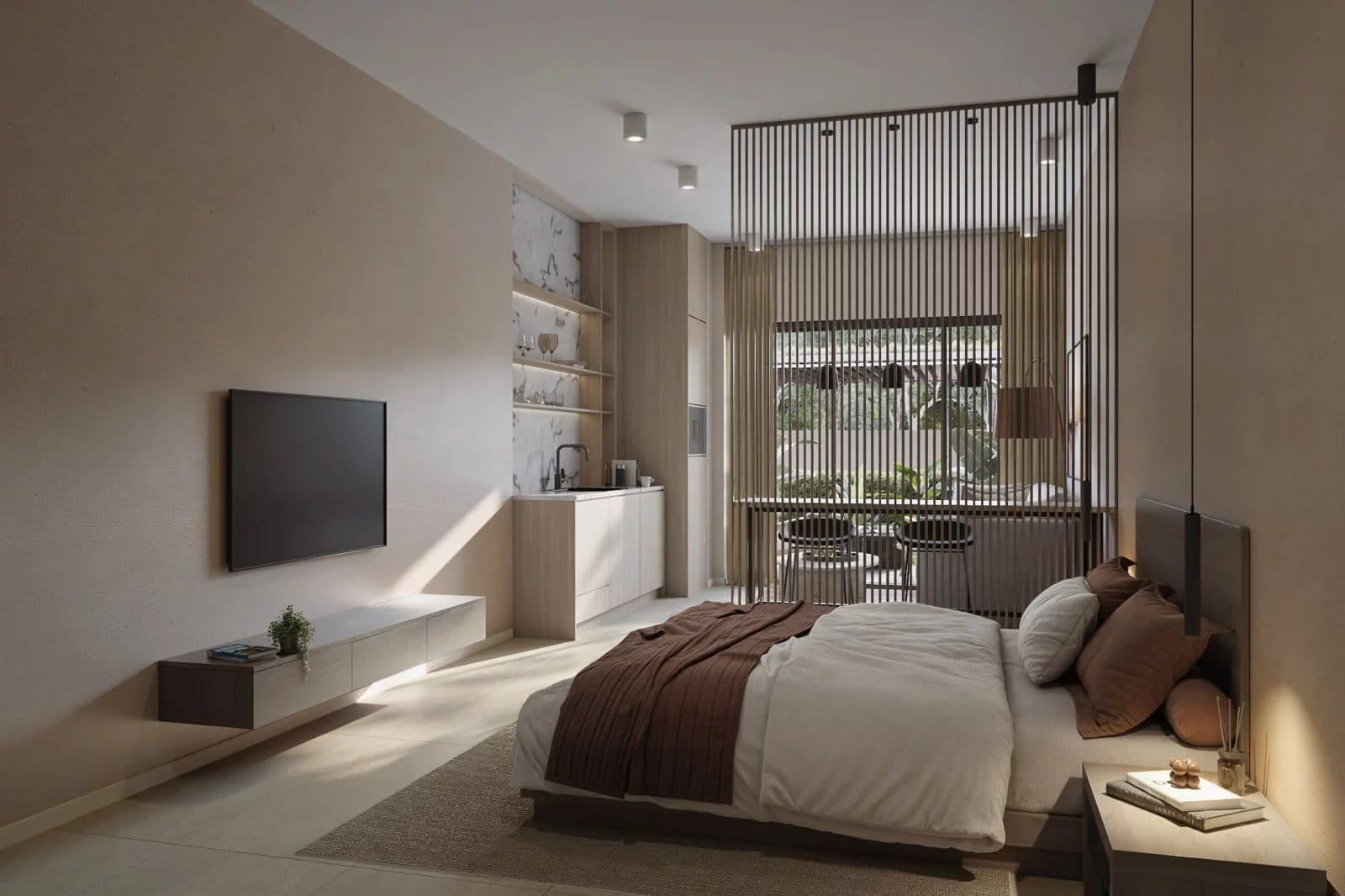
Buying an apartment in Mauritius is not simply buying a private unit inside a building. You are also buying into a shared structure: common areas, management, maintenance obligations, building rules and future decisions that can affect both quality of life and resale value.
That makes apartment due diligence different from buying a standalone house. The title still matters, but so do the syndic, service-charge history, parking rights, building condition, house rules, lifts, roof, waterproofing, common-area maintenance and the way the building is actually managed.
For foreign buyers, there is another layer: not every apartment is automatically open to non-citizen acquisition. The legal route and building status must be checked before the buyer assumes eligibility.
Three Apartment Buying Principles
Why Apartment Buying Requires a Different Mindset
A house buyer can focus heavily on the land, structure, boundaries and independent maintenance. An apartment buyer has a smaller private footprint but a much greater dependency on the quality of the overall building and co-ownership structure.
That can be an advantage. Apartments can offer easier maintenance, security, shared facilities and better lock-up-and-leave practicality. But those benefits only work when the building is properly managed and the ownership obligations are understood.
Apartments often suit buyers who value
- lower day-to-day maintenance
- security and controlled access
- shared amenities
- lock-up-and-leave convenience
- central or coastal locations where standalone houses cost more
Understand How the Building Is Managed
The syndic or co-ownership management structure is one of the most important parts of apartment due diligence. Buyers should understand how common expenses are collected, how decisions are made and whether the building appears to have enough financial discipline to maintain itself properly.
A visually attractive unit inside a poorly managed building can become an expensive purchase. The reverse is also true: a well-run building can protect owner experience and resale confidence even when individual units are relatively simple.
Ask before committing
- What are the current syndic or service charges?
- Are there outstanding owner balances?
- Are major works planned?
- Is there evidence of regular maintenance?
- Who manages the building day to day?
- Are there recurring disputes or unresolved building issues?
Service Charges: Look Beyond the Monthly Number
Do Not Assume Occupation Equals Ownership
Parking and storage are frequent sources of misunderstanding in apartment purchases. A parking space may be included in title, allocated for exclusive use, used by custom or controlled through the co-ownership rules. Those are not the same thing.
The buyer should understand exactly what right is being transferred and make sure the documents match what is being shown on site.
Clarify in writing
Parking: Is it titled, allocated, numbered or only informally used?
Storage: Is a store included legally or simply occupied by the current owner?
Visitor parking: Is there enough capacity for the building in practice?
The Common Areas Can Create Your Biggest Future Bill
Apartment buyers often inspect paintwork, kitchen finishes and bathrooms carefully while paying too little attention to the roof, lift, waterproofing, façade, drainage, water systems and shared infrastructure.
Yet these common elements can create the largest future cost exposure. An older apartment can still be an excellent purchase, but the buyer should understand whether major building works are likely and whether the co-ownership appears financially prepared for them.
Look for
- water staining or recurring leaks
- poorly maintained lift equipment
- cracking or façade deterioration
- neglected common corridors
- drainage or basement water issues
- major works discussed but not funded
House Rules and Rental Restrictions
The co-ownership rules can affect how the apartment is used. This matters particularly for buyers who want pets, short-term rentals, frequent guests, renovations or home-based activity. A buyer should not assume that because another owner is doing something, the rules necessarily allow it.
| Rule area | Why buyers should check it |
|---|---|
| Short-term rentals | Important for investors who intend to use holiday or platform-based letting. |
| Long-term rentals | Check whether there are procedural or building-specific requirements. |
| Pets | Rules may limit or regulate pets even where the apartment itself is suitable. |
| Alterations | Some internal or external works may require co-ownership approval. |
| Use of balconies / terraces | Appearance, enclosures, awnings and storage can be restricted. |
Completed Resales Give Buyers More Evidence
Resale apartments allow buyers to inspect the actual unit, actual building and actual management environment. Service charges are known, common areas are visible and building quality can be judged in real life rather than from projections.
This can make a resale particularly attractive to buyers who prefer evidence over launch promises. It also creates more room to negotiate where condition, age or renovation needs are visible.
Resale advantages
- actual views and orientation
- real service charges
- visible building condition
- known management quality
- immediate or near-immediate occupation
New Apartments Trade Certainty for Future Delivery
New-build and off-plan apartments can offer modern layouts, newer building systems and staged payment structures. But buyers are making decisions before the completed building has a real management history or physical track record.
That means the due diligence shifts toward developer quality, approvals, specifications, payment milestones, completion security and the future management framework.
Check before you buy
Who is the developer? What is actually approved? What completion protection exists? What specification is contractual? How will the building be managed after delivery?
Bank Valuation and Apartment Financing
For financed purchases, the lender will assess both the borrower and the property. Apartment condition, location, building quality and comparable market evidence can influence the valuation. If the valuation is lower than the agreed price, the buyer may need to increase the cash contribution or renegotiate.
Buyers should therefore avoid treating an agreed purchase price as automatically equivalent to bank value. Our Property Financing in Mauritius guide covers the financing process in more detail.
Can Foreigners Buy Apartments in Mauritius?
Yes, in specific legally authorised situations. EDB's published G+2 guidance states that non-citizens may acquire apartments in condominium developments of at least two levels above ground, with prior EDB approval, where the purchase price is at least MUR 6 million or the equivalent in hard convertible foreign currency.
The 2026 Budget and subsequent legal changes also tightened the position for certain apartments constructed on State land or Pas Géométriques. New leases authorising such foreign sales are no longer to be granted, while already-approved leases and existing ownership situations can fall under preserved treatment.
Do not generalise the G+2 rule
A building having enough floors does not by itself answer every eligibility question. The apartment, land tenure, approvals, sale structure and buyer profile still need to be checked.
Apartment Closing Costs
Buyers should budget for more than the agreed price. Registration duty, notarial fees, agency fees where applicable, bank and valuation charges, insurance and immediate renovation costs can all affect the true acquisition budget.
The seller's land transfer tax is ordinarily a seller-side cost, not part of the buyer's acquisition budget. For a detailed breakdown, see our Property Closing Costs in Mauritius guide.
Think Like a Future Seller Before You Buy
Apartment resale value is rarely determined by the unit alone. Lift access, parking, building reputation, management, service charges, orientation, floor level, noise and layout all influence future demand.
A highly personalised or poorly managed apartment may be attractive to one buyer but difficult to exit later. The best apartment purchase should make sense both for current use and eventual resale.
Future buyers often care about
Parking, lift, bedroom proportions, natural light, noise, view, management quality, service charges, building age and how easy the unit is to finance and maintain.
A Practical Apartment Buying Process
Common Apartment Buyer Mistakes
- Inspecting only the unit and ignoring the building.
- Assuming low service charges are automatically a positive sign.
- Failing to verify parking or storage rights.
- Ignoring planned common-area works.
- Assuming short-term rentals are always allowed.
- Buying a foreign-buyer apartment without first checking the legal route.
- Overlooking lift, roof, waterproofing and façade issues.
- Failing to think about resale liquidity at the time of purchase.
The Best Apartment Is Not Always the Best-Looking Unit
We help buyers compare apartments around the full ownership picture: building quality, management, costs, legal position, resale potential and the fit with the buyer's actual objective. The notary remains responsible for the legal transfer and specialist professionals remain responsible for their own technical work.
Looking to Buy an Apartment in Mauritius?
Tell us the area, budget, number of bedrooms and whether the apartment is for your own use, rental investment or relocation. We can help structure the search around the right completed and selected new-build opportunities.
WhatsApp +230 5256 5725Tell Us What You Are Looking For
Your enquiry is treated confidentially and used only to respond to your property request.
Official and Related Sources
Buying an Apartment in Mauritius FAQ
What should I check before buying an apartment in Mauritius?
Check the title, syndic or co-ownership information, service charges, building condition, parking and storage rights, house rules, planned works, valuation and the total acquisition cost.
Are low syndic fees always a good sign?
No. Low service charges can be positive, but they can also indicate underfunded maintenance. Buyers should assess what is included and whether the building appears properly maintained.
Can foreigners buy apartments in Mauritius?
Yes, in legally authorised situations. EDB guidance allows non-citizens to acquire qualifying G+2 apartments with prior EDB approval and a minimum purchase price of MUR 6 million, while other approved routes also exist.
What is a G+2 apartment in Mauritius?
EDB guidance defines the relevant apartment route around a residential unit in a building of at least two floors above the ground floor, subject to the applicable legal and approval conditions.
Should I check parking rights separately?
Yes. A space being used by the seller does not automatically prove that the same legal or contractual right transfers to the buyer.
Can I rent out an apartment after buying it?
Possibly, but buyers should review the co-ownership rules, any building-specific rental restrictions and the legal requirements applicable to the intended rental model.
Is a resale apartment better than off-plan?
Neither is automatically better. A resale gives more evidence about the actual unit and building, while off-plan can offer newer product and staged payments but greater future-delivery uncertainty.
Does the bank valuation matter on an apartment purchase?
Yes. If the bank values the apartment below the agreed price, the buyer may have to contribute more cash or renegotiate.