Mauritius Landlord Guide
Louer sa propriété à l'île Maurice : Un guide pour les propriétaires
A successful rental begins before the first tenant enquiry. The owner needs to decide who the property is for, what rent the market can support, whether it should be furnished, how the lease will work and who will deal with maintenance once the tenant moves in.
The objective is not simply to achieve the highest advertised monthly figure. It is to secure a credible tenant on terms that make sense for the property while protecting the owner's income, condition of the asset and ability to use or sell it later.
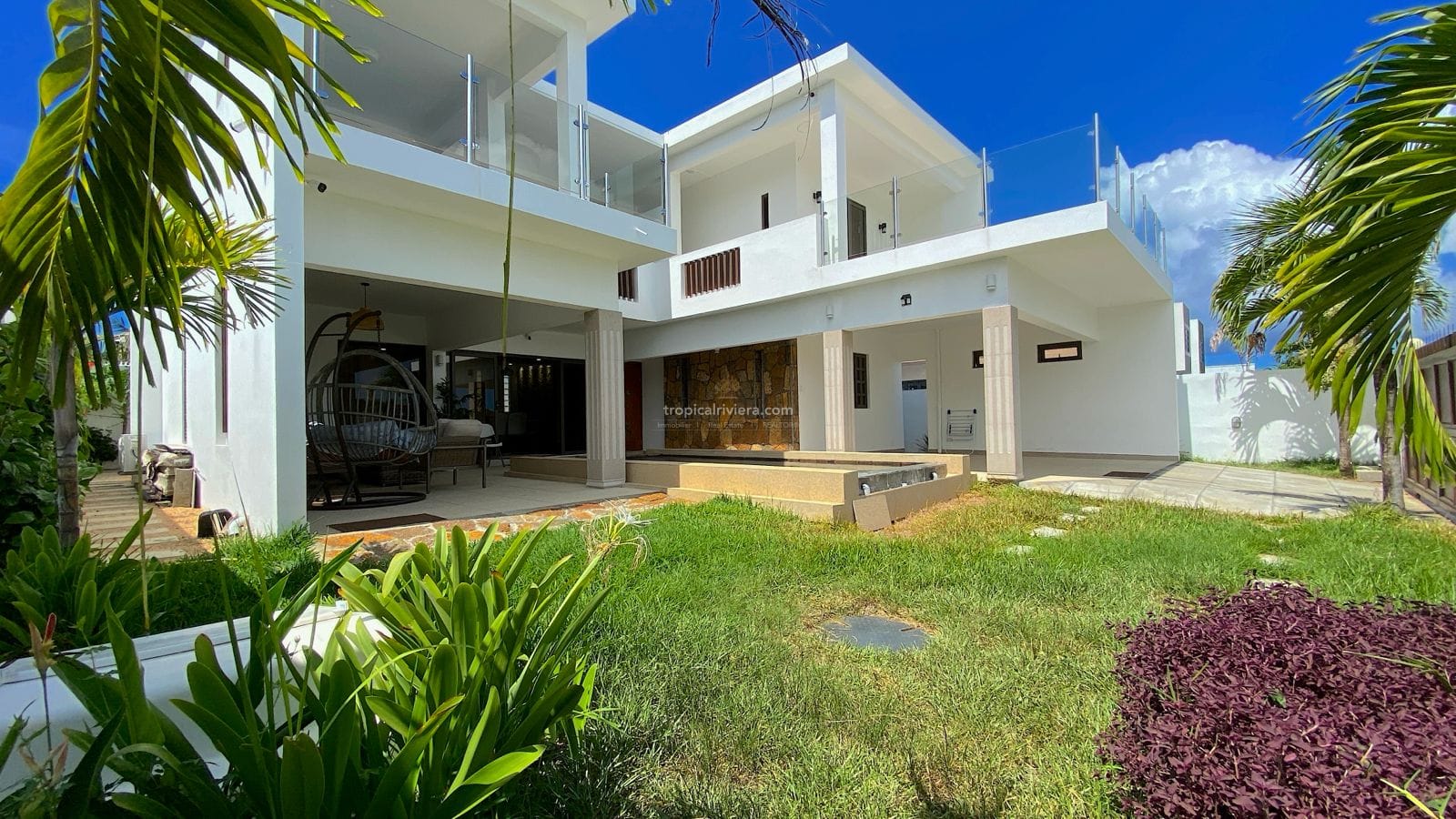
The right rent is the level at which credible tenants are prepared to commit.
Property type, location and furnishing should match the likely tenant profile.
Rent, deposit, duration, notice and responsibilities should be clear from the start.
Vacancy, maintenance, management, common costs and tax affect the real return.
Start with a rental appraisal, not a target number
Owners often approach the rental market with a figure based on a neighbour's property, an online listing or the monthly amount they would like to receive. Those references can help, but they do not show what a tenant will actually pay for this property in its current condition.
Rental positioning should consider location, property type, bedrooms, floor area, parking, furnishing, outdoor space, security, condition, included services and the competing stock available at the same time. For apartments, syndic quality and common facilities can also influence demand. For villas, pools and gardens can attract tenants while increasing maintenance expectations.
Long-term rental and tourist accommodation are not the same business
Residential occupancy
Usually suits owners looking for greater income stability, fewer tenant changes and a more predictable management routine. The lease, deposit, inventory and maintenance responsibilities still need to be properly defined.
Hospitality operation
Can involve higher turnover, furnishing, guest communication, cleaning, platform costs and a separate regulatory framework. The Tourism Authority's current licensing requirements should be checked before operating.
The Mauritius Tourism Authority has specifically stated that owners of bungalows, villas, campements, guesthouses, tourist residences, pensionnats and apartments made available for rent for periods of less than 12 months should hold a valid Tourist Enterprise Licence to operate as a Tourist Residence or Guest House, under the applicable framework. Owners considering holiday or short-stay letting should therefore verify the current licensing position rather than treating it as an ordinary residential lease.
Choose the rental model around the property
Appartement
Professionals, couples and small families often prioritise location, security, parking, lift access, internet, air-conditioning and straightforward maintenance.
Family house
Bedroom configuration, school access, garden, parking, security, storage and practical long-term use can matter more than decorative finishes.
Villa
Privacy, pool and garden care, security, furnishings and maintenance standards need to be considered alongside the headline rent.
Foreign-owned scheme property
Owners should check development rules, rental-management agreements, syndic conditions and any restrictions affecting short- or long-term letting.
Furnished or unfurnished?
Furnishing should follow the tenant market, not the owner's personal preference. An unfurnished family home can work well for tenants arriving with their own belongings or planning a longer stay. A furnished apartment may be more attractive to expatriates, corporate tenants or people relocating without furniture.
The economics also differ. Furnished property may command a higher rent, but furniture, appliances and household items need replacement and maintenance. Owners should therefore compare the rent premium with the cost and management burden of providing the inventory.
Prepare the property before the first viewing
A rental does not need to look like a hotel, but it should feel ready to occupy. Obvious maintenance problems create uncertainty and can quickly become disputes once a tenant has moved in. Air-conditioning, plumbing, hot water, electrical points, doors, locks and major appliances should be checked before handover.
Resolve known leaks, electrical faults, broken fixtures and other defects before the tenant arrives.
Present the property in a condition that establishes the standard expected when it is returned.
For furnished property, record furniture, appliances and important items at handover.
Clarify which accounts or services remain with the owner and which become the tenant's responsibility.
For villas, specify whether maintenance is included in the rent and who appoints the service provider.
Apartment owners should ensure the tenant understands relevant common-property and residence rules.
Tenant selection should go beyond first impressions
A pleasant conversation is useful, but the owner also needs enough information to understand who will occupy the property, how the rent will be paid and whether the proposed term fits the owner's plans. Appropriate identification and supporting information should be obtained in line with the circumstances and applicable requirements.
For corporate or expatriate tenancies, the employer, relocation arrangement, lease signatory and payment structure may all matter. For local tenants, affordability, stability and the intended household should be understood before the lease is agreed.
The lease should answer predictable questions
A rental agreement should not leave basic matters to memory. The parties should know the duration, rent, payment date, security deposit, notice provisions, utility responsibilities, maintenance obligations and what happens at the end of the tenancy.
The Mauritius Landlord and Tenant Act forms part of the legal framework relating to landlords, tenants, dwelling houses and business premises. The effect of the Act and the agreement can depend on the particular tenancy, so owners should obtain appropriate legal advice where necessary rather than relying on a generic lease downloaded online.
Owner Rental Process
A cleaner rental process reduces problems after handover.
Review comparable stock, property condition, furnishings and likely tenant demand before advertising.
Make the property ready to occupy and clarify utilities, common charges, services and household inventory.
Present the home according to its practical strengths instead of trying to appeal to everyone.
Review the proposed tenant, household, payment structure, timing and lease term before committing.
Record agreed terms, deposit, condition, keys and inventory rather than relying on informal arrangements.
Know who receives tenant requests and how urgent repairs, inspections and end-of-tenancy matters will be handled.
Security deposit and handover need to be documented
The deposit should be handled according to the agreed lease and applicable law, with the amount and purpose clearly recorded. Owners should also keep a dated handover record showing the condition of the property, meter readings where appropriate, keys provided and the inventory for furnished homes.
Photographs can support the record, particularly for furniture and existing wear. This is useful to both sides because it distinguishes normal use from damage and reduces reliance on memory at the end of the tenancy.
Maintenance responsibilities should be practical, not vague
Terms such as “tenant responsible for maintenance” can be too broad to prevent disputes. A lease should make it reasonably clear how routine upkeep, tenant-caused damage, owner repairs and recurring services will be handled.
For a villa, this may include pool and garden care. For an apartment, it may involve syndic rules and common-area obligations. The owner should also budget for repairs that arise simply because a building, appliance or installation ages during the tenancy.
Calculate the return after costs
Gross annual rent is useful, but it is not the owner's final return. Vacancy, maintenance, management, agency costs, insurance, common charges and tax can all affect the result. Furnished property may also require more regular replacement expenditure.
Mauritius Revenue Authority guidance includes rents in the income that can give rise to income-tax return obligations, depending on the owner's circumstances. MRA also publishes Tax Deduction at Source rules for specified rent payments. Owners should therefore assess rental performance after costs and obtain tax advice where required.
Foreign owners should also check the rules of the property
A foreign owner of qualifying Mauritius property may be able to rent the property, but the practical rules can depend on the development, co-ownership regulations, management agreement and rental model. An owner should not assume that a property available for foreign acquisition automatically permits every form of short-term letting.
Notre Foreign Ownership Rules in Mauritius guide explains the broader ownership framework for PDS, legacy IRS and RES, Smart City and other qualifying property.
Should you manage the property yourself?
Self-management can work when the owner lives nearby, has time to respond and is comfortable handling tenant communication, repairs and handover. It becomes more difficult where the owner lives abroad, has several properties or does not want to be the first point of contact when something stops working.
If management is outsourced, the owner should understand exactly what the manager does: rent collection, maintenance coordination, inspections, tenant communication, renewals, check-out or other services. The fee should be compared with the time and practical burden being removed.
Vacancy is not always solved by reducing the rent
If a rental receives little interest, review the whole proposition. The price may be too high, but the property may also be poorly presented, over-furnished, missing basic conveniences or being marketed to the wrong tenant. A weak listing can make a correctly priced home look expensive.
If the owner's wider question is whether continued rental still makes sense, return to our guide on whether to sell or rent property in Mauritius. That comparison looks at net rental income against the capital value of the asset.
Keep the future sale in mind
A tenant can provide income while the property is held, but the owner should still think about eventual resale. Property condition, documentation, lease terms and the timing of vacant possession can all affect how easily the asset can later be brought to the sales market.
If the decision changes and you want to sell, our Sell Property in Mauritius page explains the seller process from appraisal and positioning through negotiation and transaction coordination.
Owner Resources
Related guidance for Mauritius property owners.
Official References
Rental, tax and tourist-accommodation framework
The Mauritius Tourism Authority states that owners of specified accommodation, including villas and apartments, made available for rent for periods of less than 12 months should hold the applicable Tourist Enterprise Licence to operate as a Tourist Residence or Guest House under the relevant framework. Owners considering short-stay or holiday accommodation should confirm current licensing requirements directly with the Authority.
Mauritius Revenue Authority guidance states that income from rents can give rise to income-tax return obligations and publishes Tax Deduction at Source rules applying to specified rent payments. The Landlord and Tenant Act also forms part of the legal framework governing landlord and tenant matters in Mauritius.
Mauritius Tourism Authority — Renting of Tourist Accommodation
Mauritius Tourism Authority — Tourist Accommodation Certificate
Mauritius Revenue Authority — Obligation to File a Return
Mauritius Revenue Authority — TDS FAQs
Government of Mauritius — Landlord and Tenant Act
This guide is general property-owner information and not legal, tax or licensing advice. Requirements should be checked for the particular property, rental model and owner.
Renting Out Property Mauritius FAQ
Questions owners commonly ask before finding a tenant.
How do I rent out my property in Mauritius?
Start with a realistic rental appraisal, decide whether the property should be furnished, prepare the home for occupation, identify the likely tenant, screen enquiries appropriately and use a clear written lease and handover record.
Should I rent my property furnished or unfurnished?
It depends on the tenant market. Furnished property may suit expatriates and relocating tenants, while unfurnished homes can work well for longer-term family tenants. Compare any rent premium with the cost of furnishing, replacing items and managing inventory.
Do short-term rentals require a licence in Mauritius?
The Mauritius Tourism Authority has stated that specified accommodation, including villas and apartments, made available for periods of less than 12 months should hold the applicable Tourist Enterprise Licence to operate as a Tourist Residence or Guest House. Owners should confirm the current requirements for their property and rental model.
Is rental income taxable in Mauritius?
Rental income can give rise to Mauritius income-tax reporting obligations, depending on the owner's circumstances. MRA also publishes TDS rules for specified rent payments. Owners should check current MRA guidance or obtain tax advice for their position.
What should be included in a residential lease?
A lease should clearly deal with the parties, property, duration, rent, payment terms, deposit, notice, utilities, maintenance responsibilities and other material conditions relevant to the tenancy. Legal advice may be appropriate depending on the circumstances.
Should I use a property manager?
It depends on how close you are to the property and how much involvement you want. Owners living abroad or those who do not want to manage maintenance and tenant communication directly may benefit from professional management, provided the service and fee are clearly understood.
Can I sell my property while it is rented?
Potentially, but the lease and occupancy position need to be reviewed first. The tenant may be attractive to an investor, while a buyer intending to occupy the property may require different timing. The agreement and applicable legal position should be checked before marketing.
Start with the likely tenant and realistic monthly rent.
Tell us the property type, location, number of bedrooms, whether it is furnished and when it will be available. We can discuss the rental position and the practical steps before it goes to market.
WhatsApp — Discuss My Rental