Living in Greece: what to know before you move, retire or buy.
Living in Greece can mean an urban base in Athens, a family move to the suburbs, a working life in Thessaloniki, or a slower home on the mainland or an island. Those choices do not create the same budget, access to services or property brief.
This guide brings the decision into one place: legal residence, regional fit, everyday costs, healthcare, schools, tax residence, practical administration and the checks that matter before an international buyer commits to a home.
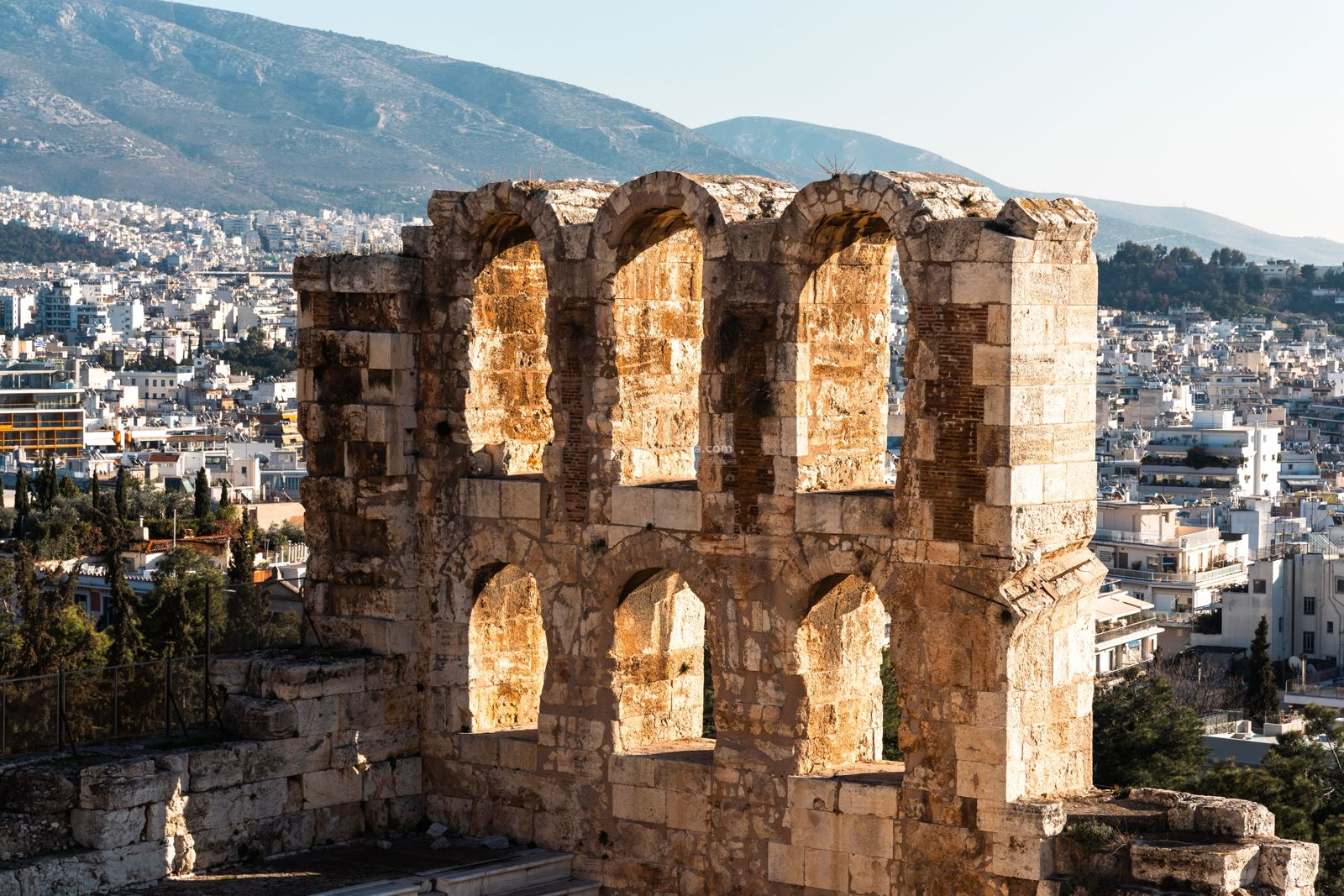
Is Greece a good place to live?
Greece works particularly well for people who value outdoor living, a strong food and social culture, access to the sea, and a European base with very different settings inside one country. Athens offers the deepest services and transport links. Thessaloniki has a smaller metropolitan rhythm. Crete and the Peloponnese can combine real communities with coastline, while smaller islands ask residents to accept more seasonality and travel dependence.
It is less convincing for anyone expecting every island to function like a capital city, assuming that low national expenditure guarantees cheap housing, or treating a residence permit as automatic tax planning. The successful move is usually the one that separates the lifestyle dream from the administrative, healthcare, school and property requirements—then finds a location where they meet.
A strong fit if you want
- A European base with extensive coastline, cities, regional towns and island choices.
- Year-round Mediterranean life rather than only a seasonal holiday property.
- Full freehold ownership with a formal notarial and land-registry process.
- Several residence pathways depending on nationality, work, income, family or investment.
| What attracts people | What needs planning | The practical response |
|---|---|---|
| Climate and coast | Heat, wildfire exposure, winter damp and seasonal services vary sharply by place. | Visit in the low season and review cooling, heating, access and insurance before choosing a home. |
| Lower everyday spending than many Western European capitals | Housing, energy, private healthcare and schooling can alter the budget quickly. | Build a household budget by line item; do not rely on a single internet average. |
| Social and outdoor lifestyle | Integration is slower in smaller communities without Greek. | Choose a year-round community and learn enough Greek for daily administration and local life. |
| Island living | Ferries, flights, specialist healthcare and shops may reduce outside peak season. | Test the route to an airport, hospital and mainland connection in winter—not only in summer. |
For a closer look at safety, community, seasonality and the day-to-day experience, read our quality of life in Greece guide. This page keeps those lifestyle questions in context while concentrating on the wider relocation decision.
Residence comes before the property search.
The correct route depends first on nationality and purpose. Buying a home and acquiring a right to live in Greece are separate legal questions unless the purchase meets a specific residence-by-investment framework.
EU citizens
EU citizens may stay for up to three months with a valid identity card or passport. A longer stay depends on the applicable status—employment, self-employment, study, sufficient resources and health insurance, or qualifying family membership—and triggers residence-registration formalities.
Non-EU citizens
Potential routes include employment, study, family reunification, digital-nomad status, financially independent residence and investment. Many long-stay cases begin with a national Type D visa before the residence-permit stage. Requirements and evidence differ materially by category.
Property-linked residence
A qualifying investment can support Greece's renewable residence permit for investors. Thresholds depend on location and property type; ordinary purchases below the relevant criteria do not create residence rights. See the current Greece Golden Visa zones before treating a property as eligible.
Do not work backwards from a listing. Confirm the residence route, family coverage, work rights, insurance requirement, renewal conditions and tax consequences first. Then define which property locations and budgets remain sensible.
Where are the best places to live in Greece?
There is no universal best place. The better question is which location protects the parts of daily life that matter to your household: work, schools, healthcare, airport access, community, climate and the amount of seasonality you are willing to accept.
| Area | Best for | Strengths | Watch before committing |
|---|---|---|---|
| Athens | Professionals, families needing specialist services, buyers who want liquidity and transport depth. | Largest employment base, international schools, hospitals, culture, metro and year-round air links. | Neighbourhood choice changes noise, heat, parking, commute and housing cost dramatically. |
| Athens Riviera | Coastal living with access to the capital. | Sea-facing lifestyle, established southern suburbs and access to metropolitan services. | Coastal premiums, summer traffic and the practical distance to work or schools. |
| Thessaloniki | Urban life at a smaller scale, students, entrepreneurs and northern-Greece access. | Walkable central districts, food and cultural scene, university economy and airport. | Colder winters than the southern-island image of Greece; neighbourhood due diligence still matters. |
| Crete | People wanting a large island with genuine year-round towns. | Heraklion and Chania provide airports, hospitals, universities, communities and a wider property range. | Distances are longer than the map suggests; confirm access to the specific services you need. |
| Peloponnese | Coastal or rural life with road access to Athens in selected areas. | Historic towns, beaches, mountain settings and less dependence on ferries. | A car is often essential; healthcare and winter activity vary by town. |
| Ionian islands | Green landscapes, established international communities and seasonal lifestyle buyers. | Strong character, sailing culture and well-known expat networks in places such as Corfu. | Winter connections, rainfall, damp, property maintenance and specialist healthcare access. |
| Cyclades & smaller islands | Buyers deliberately choosing island rhythm and accepting seasonality. | Distinctive architecture, sea access and strong summer appeal. | Wind, water, freight, tradespeople, winter closures, medical transfers and ferry reliability. |
The low-season test
Before buying, spend time in your preferred area between November and March. Check whether the supermarket, pharmacy, cafés, ferry or flight schedule, internet connection and medical services operate at the level you expect. Ask how quickly an engineer, plumber or electrician can attend in winter.
The ordinary-Tuesday test
Drive or walk the route you would use for school, work, shopping and healthcare. Listen for traffic and nightlife. Check mobile signal inside the property, not only outdoors. A location that works beautifully for a week may create friction when the same route is repeated all year.
What is the cost of living in Greece?
Greece can cost less than many major Western European cities, but that statement is too broad to price a move. Housing tenure, neighbourhood, heating and cooling, vehicle use, private medical cover and international schooling cause the largest differences between households.
Average monthly household expenditure on goods and services across Greece. This is a national resident-household statistic, not a promised relocation budget and not a rent quotation.
Build your own monthly figure
- Rent or ownership costs, common charges and property tax
- Electricity, heating fuel, water, internet and mobile service
- Groceries, dining and seasonal island-price differences
- Car ownership, fuel, parking, tolls, ferries or public transport
- Health insurance and routine private medical use
- School fees, registration, transport, meals and activities
The national average needs context. ELSTAT reports that food and non-alcoholic beverages represented 20.7% of average household expenditure in 2024, followed by housing at 14.4% and transport at 13.3%. Meanwhile, Eurostat's 2025 housing review found that housing-cost pressure remained unusually high for Greek households. For an incoming resident, the practical lesson is simple: obtain current housing quotes in the exact neighbourhood and model energy, transport and service costs separately.
Families should price schooling before choosing a suburb. As one current benchmark—not a nationwide average—the International School of Athens publishes 2026/27 tuition from €8,700 at nursery and pre-K level to €15,000 for Grades 11–12, before applicable registration, transport and other charges. Fees and availability must be confirmed directly with each school.
Healthcare and education should shape the map.
Healthcare for residents
Greece has a national health system and a substantial private sector, but access depends on status and insurance. AMKA is the social-security number used by people who work or are insured in Greece. EU residents whose coverage is transferred through an S1 form may need EU-AMKA registration before using statutory services. Non-EU permits may require evidence of private insurance, depending on the residence category.
Location is as important as coverage. Athens and Thessaloniki offer the broadest specialist and private-hospital choice. Larger regional centres and islands provide more routine care, while smaller islands may rely on mainland transfer for complex treatment. Anyone managing an ongoing condition should test the actual route to the appropriate facility before committing to a property.
Schools and family location
Greek public schools teach mainly in Greek and can support long-term integration, while private and international options serve families seeking other curricula or languages. The deepest selection is in greater Athens, with a smaller range around Thessaloniki and selected regional centres. Admissions dates, waiting lists and school-bus routes can narrow a family's property search more than expected.
Start with curriculum and available place, then work outwards to neighbourhoods that create a manageable daily route. A coastal address is not an advantage if it adds hours of weekly commuting. For older students, confirm subject availability, examination pathways and whether a later university move will require another curriculum transition.
Work, internet, transport and language.
Working locally or remotely
A right to reside does not always include the same right to work. Confirm whether the chosen status permits Greek employment, self-employment or only foreign-source remote work. Remote workers should also examine payroll, social-security, employer and permanent-establishment questions rather than assuming that a foreign contract remains outside Greece once the work is performed there.
Connectivity has improved, but the countrywide picture does not prove that a specific apartment, village or island road has reliable fibre or mobile coverage. Ask for the available fixed-line technology, test more than one mobile network inside the property, and request recent speed and outage evidence when work depends on video calls or large transfers.
Transport and language
Athens offers the most developed public-transport network, while Thessaloniki has strengthened its urban connections. Outside the main cities, a car often changes from convenience to necessity. Ferry access is central to island life but remains subject to weather, route frequency and the winter timetable. Airport distance should be measured door to terminal, including seasonal traffic and connections.
English is widely used in international business and tourism, but it does not replace Greek in every public office, utility interaction, building meeting or local trade. Contracts and notarial documents require proper legal understanding, not conversational translation. Learning practical Greek improves daily independence and makes integration into a year-round community much easier.
Greece has real regional and seasonal weather. Northern and mountainous areas can have cold winters; coastal homes may face wind, humidity or damp; summers bring heat and wildfire precautions. Inspect heating and cooling as essential building systems, not optional comforts.
The practical setup sequence after arrival.
The exact order depends on residence status, employment and whether you rent or buy. However, most long-term moves touch the same administrative building blocks.
Residence status
Complete the registration or permit steps that apply to your nationality and reason for living in Greece. Keep certified and translated civil documents ready where required.
AFM and TAXISnet
The Greek tax identification number, AFM, is central to taxation and property transactions. TAXISnet credentials support access to tax and other digital public services.
AMKA and insurance
Confirm whether you need AMKA, EU-AMKA, an S1 registration or private cover. Do not assume an EHIC intended for temporary stays replaces resident healthcare arrangements.
Banking and payments
Ask a bank what identity, residence, tax and source-of-funds documents it requires. Keep a clear transaction trail if a property purchase is planned.
Home and utilities
Confirm whose name appears on electricity, water, internet and building-common-charge accounts, what deposits apply, and whether any balance follows the property.
Driving and transport
Check how long your current licence remains valid, whether exchange is available, and the import or registration position before bringing a vehicle permanently.
Digital public services have improved, but some processes still depend on appointments, the correct supporting document and local administrative practice. A Greek accountant and independent lawyer are not luxuries when residency, tax and property steps intersect.
Living in Greece can change where your worldwide income is taxed.
Under the Greek Income Tax Code, an individual may be considered tax resident when Greece is the permanent or principal residence, habitual abode or centre of vital interests. Presence exceeding 183 days cumulatively in a twelve-month period is another key test, subject to a limited exception for certain private-purpose stays. A residence card, property title and tax residence are therefore related in practice but not interchangeable legal concepts.
Greek tax residents are generally taxed on Greek and foreign-source income, with double-taxation agreements affecting how particular income is treated. Non-residents remain taxable on specified Greek-source income. Anyone moving with a pension, company, remote employment, investments, trusts or rental income should obtain cross-border tax advice before changing the factual pattern of residence.
Special regimes exist—but eligibility matters
AADE identifies separate incentive regimes under Articles 5A, 5B and 5C for certain new tax residents, including qualifying high-net-worth individuals, foreign pension recipients, and people taking up eligible employment or business activity in Greece. Each regime has its own prior-residence tests, deadlines, conditions and duration.
Do not choose a home or residence route on the assumption that a headline tax regime will apply. Have Greek and home-country advisers test eligibility, treaty interaction, succession exposure and the treatment of every important income stream first.
Buying a home in Greece as a foreigner.
Foreign nationals can generally acquire Greek real estate as freehold owners, but a safe purchase requires more than a notarial signature. Non-EU buyers must also identify whether the property sits in a restricted border or strategic area where prior permission applies.
Property due diligence
- Title and Cadastre: confirm ownership, encumbrances, boundaries and registration history.
- Planning legality: have an engineer verify permits, declared areas and any regularised works.
- Building performance: inspect insulation, heating, cooling, damp, shade, water and energy efficiency.
- Use and costs: check common charges, permitted use, rental restrictions, tax treatment and insurance.
- Location resilience: assess wildfire, flood, access, parking, medical response and low-season logistics.
Lifestyle due diligence
- Year-round access: confirm actual ferry, flight and road conditions outside summer.
- Daily radius: time the route to healthcare, schools, shops and work at the hours you will use it.
- Community: distinguish permanent residents from tourism-only occupancy.
- Future exit: consider who is likely to buy or rent the property when your needs change.
- Independent advice: use your own lawyer, engineer, notary and tax adviser for their respective roles.
An AFM is required before a purchase can proceed. The transaction then moves through legal and technical verification, contract preparation, notarial completion and registration. Tax treatment depends on the property and current law. For the full acquisition framework, including border-area checks, transfer tax, VAT timing and annual ENFIA, read our guide to buying property in Greece as a foreigner.
Should you rent before buying? If you have not lived in the chosen area through winter, still need to confirm a school or healthcare route, or are deciding between a city and an island, a rental period can be valuable due diligence. It is not hesitation; it is a way to test the property brief against real life.
A practical 90-day plan before committing.
Confirm the legal and financial frame
Identify the residence route, work rights, health cover and likely tax position. Set a total household and property budget. Select no more than three regions that meet the non-negotiable requirements.
Live the routine before choosing the address
Visit in the least flattering season available. Test transport, schools, healthcare, shopping, internet and the evening environment. Speak to residents who stay all year, not only owners who visit in summer.
Move from region to property
Appoint independent professional advisers, obtain the required tax and banking setup, compare suitable homes, and complete legal and technical checks before a reservation or deposit becomes binding.
Understand the market before you invest.
Continue with the wider international framework or go directly into Greece's ownership and investment structure.
Property advice built around the move.
Tropical Riviera International Realty is a licensed Mauritius-based brokerage advising international buyers across selected European, Gulf, Asian and Indian Ocean markets. Principal broker Bhavesh Koonja holds the REALTOR® and Certified International Property Specialist (CIPS) designations through the National Association of REALTORS®.
For Greece, our role is to turn the buyer's residence, lifestyle and investment objectives into a clear property brief, coordinate with the relevant Greek professionals, and keep legal, technical and project claims separate from marketing language.
Official sources and methodology
- Greek Ministry of Migration and Asylum — free movement and residence of EU citizens and family members.
- Gov.gr — residence cards and registration for EU citizens and family members.
- AADE — Greek tax-residence criteria under the Income Tax Code.
- AADE — tax incentives under Articles 5A, 5B and 5C.
- ELSTAT Household Budget Survey 2024 — household, urban and rural expenditure figures and category shares.
- Eurostat, Housing in Europe 2025 — housing-cost context.
- Greek Ministry of Labour and Social Security — AMKA.
- EOPYY National Contact Point — healthcare access for EU citizens and EU-AMKA.
- International School of Athens — published 2026/27 tuition and charges used as the named school-fee example.
- Greek Civil Protection — official guidance on heatwaves, forest fires, storms, floods and other hazards.
Regulatory, tax, school-fee and programme information can change. Facts were reviewed against the linked sources on 1 September 2026. This guide is general information and does not replace Greek legal, immigration, tax, engineering, medical or education advice.
Questions international movers and buyers ask first.
Is Greece a good country to live in?
Greece can be an excellent fit for people who value outdoor living, community, food culture, coastline and a European base. The experience varies sharply by location. Athens offers the deepest services; larger islands such as Crete support more year-round life; smaller islands require greater tolerance for seasonality, travel dependence and limited specialist healthcare.
Can an EU citizen move to Greece?
EU citizens may stay in Greece for up to three months with a valid identity card or passport. Longer residence depends on the applicable status, such as employment, self-employment, study, sufficient resources with health insurance, or qualifying family membership, and requires the relevant registration formalities.
Can a non-EU citizen live in Greece?
Yes, if the person qualifies under an appropriate visa or residence category. Routes may include work, study, family, digital-nomad status, financially independent residence or investment. The evidence, work rights, insurance conditions and renewal requirements differ, so the correct category should be confirmed before moving.
Does buying property in Greece give residency?
An ordinary property purchase does not automatically give residency. A purchase must satisfy the current requirements of Greece's residence-by-investment framework to support a Golden Visa application. Thresholds vary by location and property type, and project-specific eligibility should be independently verified.
Can foreigners buy property in Greece?
Foreign nationals can generally acquire full freehold title in Greece. Non-EU buyers should first verify whether a chosen property is inside a restricted border or strategic area where prior permission is required. Every purchase should also include independent title, planning and engineering checks.
What is the average cost of living in Greece?
ELSTAT's 2024 Household Budget Survey reported average household expenditure of €1,724.54 per month, with €1,821.26 for urban households and €1,296.41 for rural households. These are national resident-household averages, not relocation quotes. Housing, energy, private healthcare, transport and international schooling can move an incoming household's budget significantly.
Where do most expats live in Greece?
Athens and its suburbs offer the largest international community and widest service base. Thessaloniki attracts professionals and students. Crete, Corfu, selected Cycladic islands, the Peloponnese and coastal mainland towns also attract international residents. The best fit depends on whether the priority is work, schools, healthcare, airport access or a quieter year-round community.
Is healthcare free for expats in Greece?
Healthcare access depends on residence and insurance status; it is not simply free to every foreign resident. People who work or are insured in Greece may use AMKA, while some EU residents register transferred cover through an S1 and EU-AMKA. Certain non-EU residence categories require private medical insurance.
Are there international schools in Greece?
Yes. The greatest choice is in greater Athens, with a smaller selection in Thessaloniki and certain regional locations. Families should confirm curriculum, admissions, fees, waiting lists and school transport before selecting a neighbourhood or buying a home.
When do you become tax resident in Greece?
Presence exceeding 183 days cumulatively in a twelve-month period is a key Greek tax-residence test, subject to a limited private-purpose exception. Permanent or principal residence, habitual abode and the centre of vital interests can also matter. Obtain cross-border tax advice before relocating because a residence permit or property purchase does not determine the full answer alone.
Is it better to rent before buying in Greece?
Renting first can be sensible when you have not experienced the location in winter, still need to test a school or healthcare route, or are comparing city and island life. A temporary rental gives you evidence about the daily routine and can produce a better long-term property brief.
What should I check before buying an island home?
Check year-round transport, water and electricity reliability, internet, access for builders and maintenance teams, winter opening patterns, distance to healthcare, insurance availability, wind and damp exposure, wildfire or flood risk, title and planning legality, and how easily the property could be sold later.
Tell us how you want to live—not only where you want to buy.
Share your nationality, preferred regions, budget, residence objective, household needs and intended timeline. We will help turn that information into a focused Greece property brief and identify what must be verified before you commit.
Tropical Riviera International Realty
Central Flacq, Mauritius · +230 420 0808
English and French advisory
Send your Greece brief
First name, last name, email, phone and a short description of your plans are enough to begin.
All enquiries are treated confidentially.