Can Foreigners Buy Property In Mauritius?
A practical 2026 guide to foreign property ownership in Mauritius, including IRS, RES, PDS, Smart City, Invest Hotel Scheme, qualifying G+2 apartments, the separate USD 500,000 route for eligible resident permit holders, residency thresholds and approval requirements.
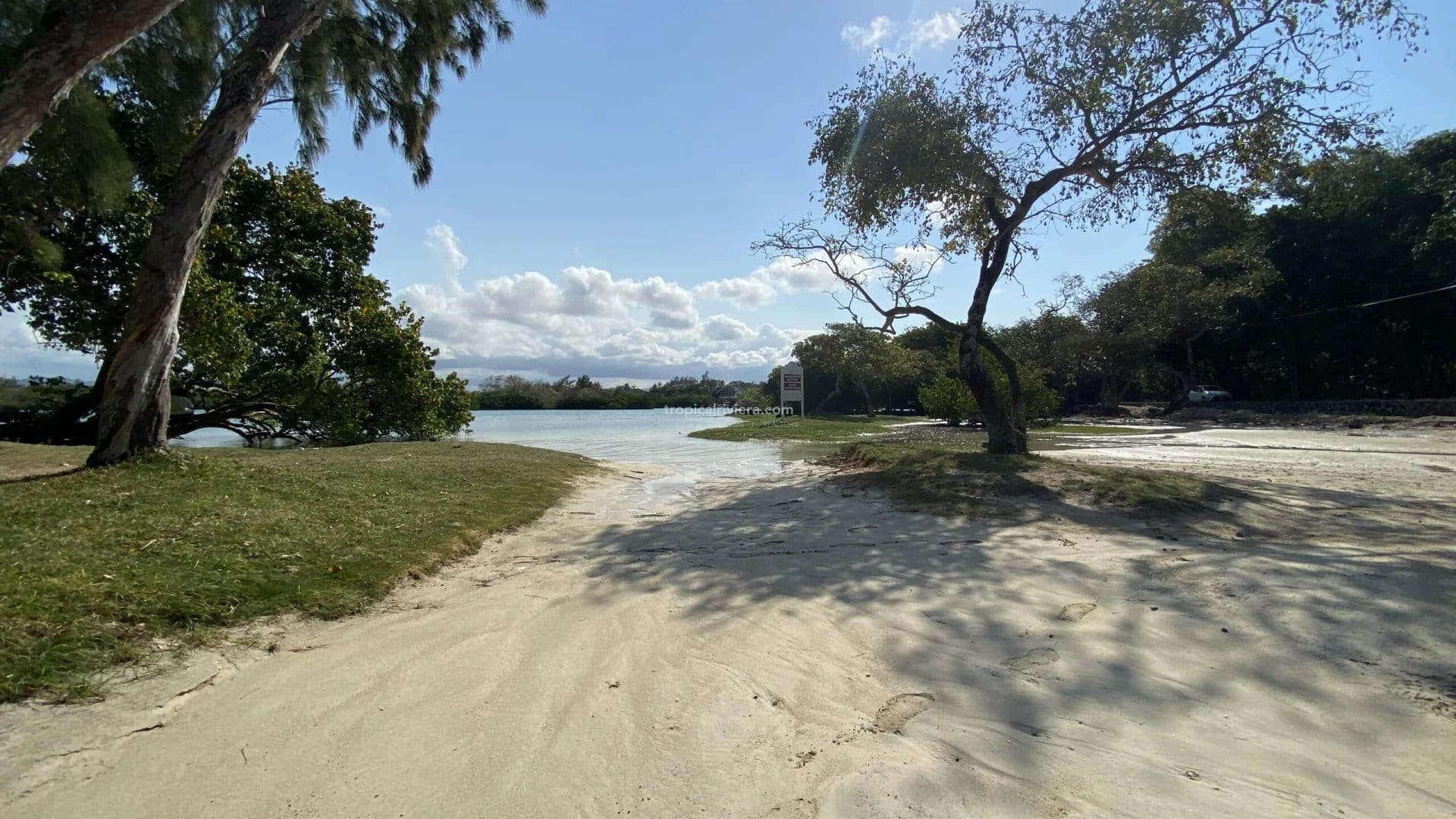
Foreigners can buy property in Mauritius through specific legal routes. Not every house, apartment, villa or plot qualifies, and the applicable acquisition route and approval requirements should be confirmed before the transaction is completed.
This is where many transactions go wrong. Buyers often assume that Mauritius is fully open to foreign ownership. Sellers often assume that a foreign buyer can purchase any property if both parties agree. Both assumptions are incorrect.
Mauritius allows foreign nationals to acquire approved real estate, hold freehold property in qualifying schemes and, in certain cases, obtain residency through property acquisition. But the property must qualify, the buyer must be eligible and the correct approval process must be followed.
If you are new to the market, read this guide together with our Understanding Mauritius Real Estate guide and our Invest In Mauritius Real Estate page.
Executive Summary
Can Foreigners Buy Property In Mauritius?
Yes. Foreigners can buy property in Mauritius, but only in specific categories approved for non-citizen acquisition.
The main foreign ownership routes include:
- Integrated Resort Scheme (IRS)
- Real Estate Scheme (RES)
- Property Development Scheme (PDS)
- Smart City Scheme (SCS)
- Invest Hotel Scheme (IHS)
- Qualifying G+2 apartments
- A separate route for certain eligible resident permit holders acquiring one residential property for at least USD 500,000
- Other specific acquisitions authorised under the applicable non-citizen property framework
Outside a recognised acquisition route, a non-citizen cannot assume that an ordinary house, villa, apartment or plot is available for purchase. This remains true even where a willing seller and willing buyer have already agreed on the price.
The Main Legal Routes For Foreign Buyers
Foreign buyers should first identify which legal route applies to the property. This determines the approval process, residency potential, minimum price requirements and transaction structure.
IRS, RES And PDS Developments
IRS, RES and PDS developments were created to allow foreign acquisition within controlled real estate structures. These schemes remain among the safest routes for foreign buyers because the project itself is designed for non-citizen ownership.
Depending on the project and property value, these schemes may allow:
- Freehold ownership
- Purchase of completed or off-plan property
- Notarial registration
- Acquisition funded under the applicable foreign-currency and notarial payment rules
- Resale to eligible local or foreign buyers
- Residency eligibility where the value threshold is met
Buyers should still review the developer, permits, reservation agreement, payment schedule, delivery risk, co-ownership rules and resale conditions before committing.
For buyers comparing approved property options, our Invest In Mauritius Real Estate page explains how approved schemes fit into the wider investment landscape.
Invest Hotel Scheme (IHS)
The Invest Hotel Scheme is a separate approved route through which non-citizens may acquire qualifying hotel units. It should not be treated as an ordinary apartment or villa purchase because the unit remains integrated into the operation and management of a hotel.
The EDB describes IHS ownership as involving professional hotel management and a lease-back or operating arrangement. Owner use is limited under the scheme; the published framework provides for use by the owner, or on the owner's behalf, for an aggregate period of up to 45 days in any 12-month period.
Before acquiring an IHS unit, buyers should review the hotel operator agreement, revenue-sharing mechanism, operating costs, owner-use rules, resale provisions and the current immigration treatment applicable to the specific acquisition.
Smart City Projects
Smart City developments are approved master-planned projects. Foreigners may acquire eligible residential property inside a Smart City subject to the scheme conditions and approval process.
A Smart City may include apartments, villas, townhouses, mixed-use property and lifestyle facilities. Because the project is already approved under a specific framework, it can provide a clearer route than trying to purchase ordinary residential property outside an approved structure.
Smart City property can be attractive for buyers who want lifestyle access, urban planning, amenities, professional management and potential residency. Under the EDB Smart City guidelines, there is no general minimum purchase price simply to acquire an eligible built-up residential unit. A non-citizen acquiring qualifying residential property for more than USD 375,000 may be eligible to apply for a residence permit. Each project and unit still requires proper legal, notarial and financial due diligence.
The G+2 Scheme: Buying Apartments Outside Luxury Developments
The G+2 route allows foreigners to buy certain apartments in Mauritius outside IRS, RES, PDS and Smart City projects. This route is useful, but it is often misunderstood.
For a G+2 apartment to qualify, the property must generally be an apartment in a condominium building of at least ground plus two floors, with a minimum purchase price of MUR 6 million and approval before completion.
The Separate USD 500,000 Residential Property Route
Mauritius also maintains a separate acquisition route for certain non-citizens who already hold qualifying residence or occupation status. Subject to approval, an eligible applicant may acquire one residential property for personal residence for a purchase price of at least USD 500,000 or its equivalent in another hard convertible foreign currency.
The EDB's published guidelines identify eligible applicants as the main holder of specified permits, including a Permanent Residence Permit, qualifying property-based residence permit, Occupation Permit, short-term Occupation Permit, Family Occupation Permit or residence permit as a retired non-citizen. A spouse, dependent child, parent or other dependent who is resident only by virtue of the main permit holder is not eligible under this route.
The EDB continues to list this route in its official information centre and Property Acquisition Management System. Buyers should nevertheless have the acting notary confirm the current approval, duty and documentary requirements before entering into an unconditional commitment.
Can Any G+2 Or G+3 Building Be Sold To A Foreigner?
No. This is one of the most common seller mistakes in Mauritius.
A building may physically have enough floors, but still fail the legal or technical requirements needed for non-citizen acquisition. The notary must confirm the structure, permits, condominium status, ownership documents and eligibility before an application is made.
Sellers should not advertise internationally before checking whether the property qualifies. If the structure is not eligible, the sale may fail after negotiation, reservation or deposit stage.
Important For Sellers: You Cannot Always Sell To A Foreigner
Mauritius has strong international demand, but not every property can be sold to a foreign buyer. A seller can only sell legally to a non-citizen if the property falls within an approved ownership route.
A property should normally be:
- Inside an IRS, RES, PDS or Smart City project
- A qualifying G+2 apartment
- Part of another approved structure allowing non-citizen acquisition
Before targeting foreign buyers, sellers should verify eligibility with the notary and relevant professionals. This protects the seller from wasted marketing, failed agreements and reputational damage.
Owners preparing to sell should also read our Sell Property In Mauritius guide and our article on How To Choose The Right Real Estate Agent In Mauritius.
Minimum Price Requirements
Different thresholds apply depending on the route used.
The declared price should reflect the real market value of the property. Artificial undervaluation can create problems during due diligence, financing, approval or registration.
Residency Through Property In Mauritius
A foreign buyer may become eligible for residency through property acquisition when the specific ownership route qualifies and the purchase value meets the applicable immigration threshold. Acquisition eligibility and residence eligibility should be checked separately.
Residency through property generally requires:
- Acquisition through a property route that supports residence under the current immigration framework
- A qualifying purchase value of at least USD 375,000 where that threshold applies
- Approval under the correct legal framework
- Proper registration of the transaction
- Continued ownership where the residence permit is linked to the property
The residence permit generally remains linked to ownership of the qualifying property. If the property is sold, the residence basis may end unless the buyer qualifies under another permit route.
Buyers evaluating Mauritius as a relocation or retirement base should also read our Retire In Mauritius Expat Guide 2026.
Payment Rules For Approved Scheme Property
For new acquisitions under IRS, RES, IHS, PDS and Smart City Scheme, mandatory currency rules have applied since 13 December 2024. The EDB requires the relevant purchase funds to be transferred to Mauritius from abroad in hard convertible currency and handled through the notary under the prescribed payment structure.
The EDB also states that, where the property price exceeds USD 750,000, the first USD 750,000 or equivalent must be transferred from abroad from the buyer's own funds. Subject to the applicable rules and bank approval, the balance may be financed through a Mauritian bank. Buyers using financing should confirm the current currency and repayment requirements with the bank and notary before signing.
Approval Process For Foreign Property Purchase
The exact approval process depends on the property category, scheme, buyer profile, payment structure and notarial review. However, the transaction should never be treated as a normal local sale.
A foreign acquisition usually follows a structured process:
- Initial eligibility check
- Buyer qualification and source of funds review
- Reservation or preliminary agreement
- Notary due diligence
- Preparation of the non-citizen acquisition application
- Submission to the relevant authority
- Approval before completion
- Signature of deed
- Registration
- Payment of duties and applicable fees
Typical documents may include passport copies, proof of funds, reservation or presale agreement, site plan, permit documents, scheme documents, valuation or notarial documents where applicable, bank confirmation and source-of-funds information.
The EDB's Property Acquisition Management System on the National E-Licensing platform provides application routes for several categories, including Smart City residential property, acquisition or lease for business purposes, G+2 apartments and residential property valued at a minimum of USD 500,000.
Taxes And Costs When Buying Property In Mauritius
Buyers and sellers should calculate the full cost of the transaction before signing. The exact tax and duty position should always be confirmed by the notary, especially where foreign ownership, approved schemes, company structures or legislative updates are involved.
For current fiscal context, read our Mauritius Budget 2026–2027 analysis. Registration duty and land transfer tax rules have changed more than once in recent Finance Acts, so the acting notary should confirm the rate applicable to the specific deed rather than relying on an older online percentage.
Can Foreigners Buy Land In Mauritius?
Foreign acquisition of land in Mauritius is highly restricted. A foreign buyer should not assume that vacant land, agricultural land, residential land or beachfront land can be purchased freely.
In practice, non-citizens usually have a clearer route through approved residential schemes, Smart City projects or qualifying apartments rather than ordinary land. One specific exception is the USD 500,000 personal-residence route for eligible resident permit holders, under which the EDB's published guidelines allow certain bare or serviced land within the stated size limit, but expressly exclude agricultural land and State land including Pas Géométriques.
For a focused explanation, read our guide: Can Foreigners Buy Land In Mauritius?
Can Foreigners Buy Commercial Property In Mauritius?
Foreign acquisition of commercial property is more complex than buying an approved residential unit. The answer depends on the property type, buyer structure, intended use, approval requirements and whether the acquisition is being made personally, through a company, or through an investment structure.
Commercial property may include offices, retail units, warehouses, hospitality assets, mixed-use spaces or business premises. Each category can carry different approval, licensing, planning and tax implications.
Foreign investors considering commercial property should obtain notarial, legal, tax and regulatory advice before committing to a transaction. The EDB's current Property Acquisition Management System includes an application route for the acquisition or lease of immovable property for business purposes.
Can Foreigners Own Property Through A Company Or SCIA?
Some buyers explore company structures, family ownership structures or Société Civile Immobilière d’Attribution arrangements when acquiring or holding property in Mauritius.
These structures can be useful in certain cases, but they must be handled carefully. A structure does not automatically bypass non-citizen property restrictions, approval rules, tax obligations or banking requirements.
For a dedicated explanation, read our guide: SCIA Mauritius Property Ownership Structure.
Can Foreigners Rent Out Property In Mauritius?
Foreign owners may be able to rent out qualifying property, subject to the legal structure, co-ownership rules, management regulations, tax obligations and any scheme-specific restrictions.
This is particularly important in approved developments where rental management, short-term rental rules, syndic regulations or resort operator conditions may apply.
Before purchasing with rental income in mind, buyers should verify:
- Whether rentals are allowed
- Whether short-term rental is permitted
- Whether management is mandatory
- Expected occupancy and realistic rental yield
- Maintenance, syndic and management fees
- Tax treatment of rental income
- Exit strategy if rental performance is weaker than expected
Can Foreigners Get A Mortgage In Mauritius?
Foreign buyers may be able to obtain financing in Mauritius, but bank appetite varies depending on the buyer profile, residency status, property type, currency, income source, loan-to-value ratio and supporting documents.
Some buyers purchase in cash. Others use financing from Mauritian banks or overseas banks. The approval process can take time, especially where source of funds, foreign income or offshore structures are involved.
A buyer should not sign a binding commitment assuming that financing will automatically be approved.
Can Foreigners Inherit Property In Mauritius?
Inheritance depends on the ownership structure, marital status, succession planning, nationality, applicable law, will, heirs and how the property was acquired.
Foreign owners should discuss estate planning with a qualified notary or legal adviser. This is particularly important for family purchases, second homes, retirement properties and company ownership structures.
Buying Off-Plan Property In Mauritius
Many foreign buyers purchase off-plan property inside approved developments. This can provide access to newer schemes, staged payments and potential capital appreciation before completion.
However, off-plan purchase also carries construction, delivery, financing, developer and market risks.
Before buying off-plan, review:
- Developer track record
- Building permit and project approvals
- Payment schedule
- Reservation agreement
- Completion timeline
- Construction guarantees where applicable
- Escrow or payment protection arrangements
- Resale restrictions
- Management and co-ownership rules
Due Diligence Before Buying
Foreign buyers should not rely only on brochures, sales presentations or online listings. Due diligence protects the buyer before capital is committed.
Common Mistakes Foreign Buyers Make
- Assuming any property in Mauritius can be purchased
- Assuming any apartment qualifies under G+2
- Signing before approval is properly addressed
- Trusting verbal confirmation instead of notarial review
- Ignoring minimum price requirements
- Failing to check permits and condominium documentation
- Trying to buy ordinary land without understanding restrictions
- Not verifying source of funds and bank requirements early
- Confusing residency eligibility with automatic permanent residence
- Underestimating ongoing syndic, management and maintenance costs
Common Mistakes Sellers Make
- Advertising to foreigners without confirming eligibility
- Assuming a house with multiple levels qualifies as G+2
- Confusing physical height with legal condominium eligibility
- Failing to provide permits and plans to the notary
- Listing below the applicable minimum price
- Accepting a foreign buyer without checking approval requirements
- Creating delays because the property file is incomplete
- Marketing internationally without a proper mandate and compliance process
Sellers targeting international buyers should also read our guide on How To Choose The Right Real Estate Agent In Mauritius.
Why Mauritius Remains Attractive To Foreign Buyers
Mauritius remains attractive because it combines lifestyle appeal with a structured legal framework for qualifying foreign property ownership.
Key strengths include:
- Approved freehold ownership routes
- Residency through qualifying property
- Stable legal and banking environment
- International lifestyle appeal
- A structured legal framework for approved non-citizen ownership
- Established notarial and banking processes for qualifying acquisitions
- Strong coastal and lifestyle demand
- Access to approved developments built for foreign ownership
This is why Mauritius continues to attract investors, retirees, relocation buyers and international families seeking a secure base in the Indian Ocean.
For retirement-focused buyers, read our Retire In Mauritius Expat Guide 2026.
Do Not Search First. Check Eligibility First.
The most expensive mistake in Mauritius is falling in love with a property before confirming whether a foreign buyer can legally acquire it.
A structured search should begin with ownership eligibility, budget, residency objectives, scheme type, financing position and resale strategy.
Final Thoughts
Foreigners can buy property in Mauritius, but only when the property qualifies under the law and the correct approval process is followed.
The principal routes include IRS, RES, PDS, Smart City developments, IHS hotel units and qualifying G+2 apartments. Certain eligible resident permit holders may also use the separate USD 500,000 personal-residence route. Ordinary property should never be assumed eligible without checking the buyer, property and approval route.
For buyers, the first step is not browsing random listings. It is understanding the ownership framework. For sellers, the first step is not advertising internationally. It is confirming whether the property can legally be sold to a non-citizen.
Foreign Buyer Guidance With Local And International Real Estate Context
Tropical Riviera International Realty is an independent real estate brokerage based in Mauritius, advising property owners, buyers and investors across residential, luxury, approved scheme, land, commercial and international real estate markets.
The firm is led by Bhavesh Koonja, REALTOR® and Certified International Property Specialist (CIPS). This combines local property experience in Mauritius with international real estate exposure across Mauritius, the Middle East, Europe and selected global investment destinations.
Our role is to help buyers and sellers approach foreign ownership in Mauritius with clarity, realistic expectations and proper transaction discipline before money is committed.
For broader context, visit our Understanding Mauritius Real Estate guide, our Invest In Mauritius Real Estate page, our International Real Estate Brokerage page, or submit your criteria through our Property Hunt Mauritius service.
Discuss Your Mauritius Property Search
Tell us what you are looking for, your approximate budget and whether residency, investment, relocation or a second home is part of the objective. We can then help you focus on property categories that are relevant to your circumstances.
For quick questions, you can also contact us directly on WhatsApp.
WhatsApp +230 5256 5725Send Us a Message
Your enquiry is treated confidentially and used only to respond to your property request.
Primary Sources For This 2026 Guide
Foreign-ownership rules should be checked against current official material. The principal sources used for this update include:
- Economic Development Board — Real Estate & Hospitality
- EDB / Prime Minister's Office — Acquisition of Residential Property for a Minimum of USD 500,000
- EDB — Amendments to IRS, RES, IHS, PDS and Smart City Scheme Regulations
- EDB — Smart City Scheme Guidelines
- EDB — Property Acquisition Management System (PAMS)
This page is an informational real estate guide, not legal, tax, immigration or notarial advice. Buyers should obtain transaction-specific advice before committing funds.
Foreigners Buying Property In Mauritius FAQ
Can a foreigner buy property in Mauritius?
Yes. A foreigner can buy property in Mauritius if the property qualifies under an approved legal route and the required approval is obtained before completion.
Can a foreigner buy an apartment in Mauritius?
Yes. A foreigner can buy an apartment in Mauritius if the apartment qualifies under an approved scheme or the G+2 framework and the required approval is obtained before completion.
What is the G+2 rule in Mauritius?
The G+2 rule allows non-citizens to buy qualifying apartments in buildings of at least ground plus two floors, subject to minimum price, documentation and approval requirements.
Can any G+2 or G+3 building be sold to a foreign buyer?
No. The building must meet the legal, permit and condominium requirements. A notary should confirm eligibility before the property is marketed or sold to a non-citizen.
What is the minimum price for a foreign buyer under the G+2 scheme?
The commonly referenced minimum price for a qualifying G+2 apartment is MUR 6 million, subject to the applicable rules and approval process.
How much property must a foreigner buy in Mauritius to qualify for residency?
A qualifying residential property purchase of at least USD 375,000 may support a residence permit while the non-citizen continues to own the property.
Does buying property in Mauritius automatically give residency?
No. The property must qualify, the value threshold must be met and the relevant approval process must be followed. Residency is not automatic for every property purchase.
Can I sell my property in Mauritius to a foreigner?
Only if the property qualifies for non-citizen acquisition, such as an approved scheme property or qualifying G+2 apartment. Seller agreement alone is not enough.
Can foreigners buy land in Mauritius?
Foreign acquisition of land is restricted. Agricultural land should not be assumed available. Certain eligible resident permit holders may apply under the USD 500,000 route for qualifying bare or serviced land within the published area limits, subject to approval and the other conditions.
Can foreigners buy agricultural land in Mauritius?
Agricultural land is a sensitive category. Foreign buyers should not assume they can purchase agricultural land without a specific approved structure or authorisation.
Can foreigners buy commercial property in Mauritius?
Commercial property acquisition may be possible in certain structures, but it requires careful review of ownership rules, intended use, approval requirements, tax treatment and legal structure.
Can foreigners buy property through a company in Mauritius?
In some cases, company or ownership structures may be considered, but they do not automatically bypass non-citizen acquisition rules. Legal and notarial advice is required.
Can foreigners rent out property in Mauritius?
Foreign owners may be able to rent out qualifying property, subject to scheme rules, co-ownership regulations, management conditions and tax obligations.
Can foreigners get a mortgage in Mauritius?
Some foreign buyers may obtain financing, but approval depends on the bank, buyer profile, income, currency, property type and documentation.
Can foreigners inherit property in Mauritius?
Inheritance depends on the ownership structure, succession planning, applicable law and family situation. Foreign owners should obtain notarial or legal advice.
Can retirees buy property in Mauritius?
Yes, retirees may buy qualifying property if they meet the legal and financial requirements. A qualifying property purchase may also support residency where the threshold is met.
What documents are usually needed when a foreigner buys property in Mauritius?
Documents may include passport copy, proof of funds, reservation agreement, site plan, permit documents, notary certificate, bank confirmation and source of funds information.
What are the main mistakes foreign buyers make in Mauritius?
The main mistakes include assuming any property can be bought, signing before approval, ignoring minimum price rules, failing to check permits and relying on verbal assurances.
What are the main mistakes sellers make when targeting foreign buyers?
Sellers often advertise ineligible properties, confuse multi-level buildings with qualifying G+2 apartments, fail to prepare documents and accept foreign offers before checking eligibility.
What is the USD 500,000 property route in Mauritius?
It is a separate route under which certain main holders of qualifying residence or occupation permits may apply to acquire one residential property for personal residence for at least USD 500,000, subject to the statutory property limits and approval. The acquisition does not itself grant residence.
What is the Invest Hotel Scheme in Mauritius?
The Invest Hotel Scheme allows acquisition of qualifying hotel units in an approved hospitality development. The unit remains subject to hotel operation, management and owner-use conditions.
What is the 85/15 payment rule for foreign property buyers?
For new acquisitions under IRS, RES, IHS, PDS and Smart City Scheme, the relevant funds are transferred from abroad in hard convertible currency, after which the notary transfers 85% of the consideration to the promoter in Mauritian rupees and the remaining 15% in foreign currency or Mauritian rupees.
Should foreign buyers use a real estate agent in Mauritius?
A qualified real estate agent can help with property search, eligibility filtering, negotiation and coordination, but legal approval and title review remain the role of the notary and competent authorities.